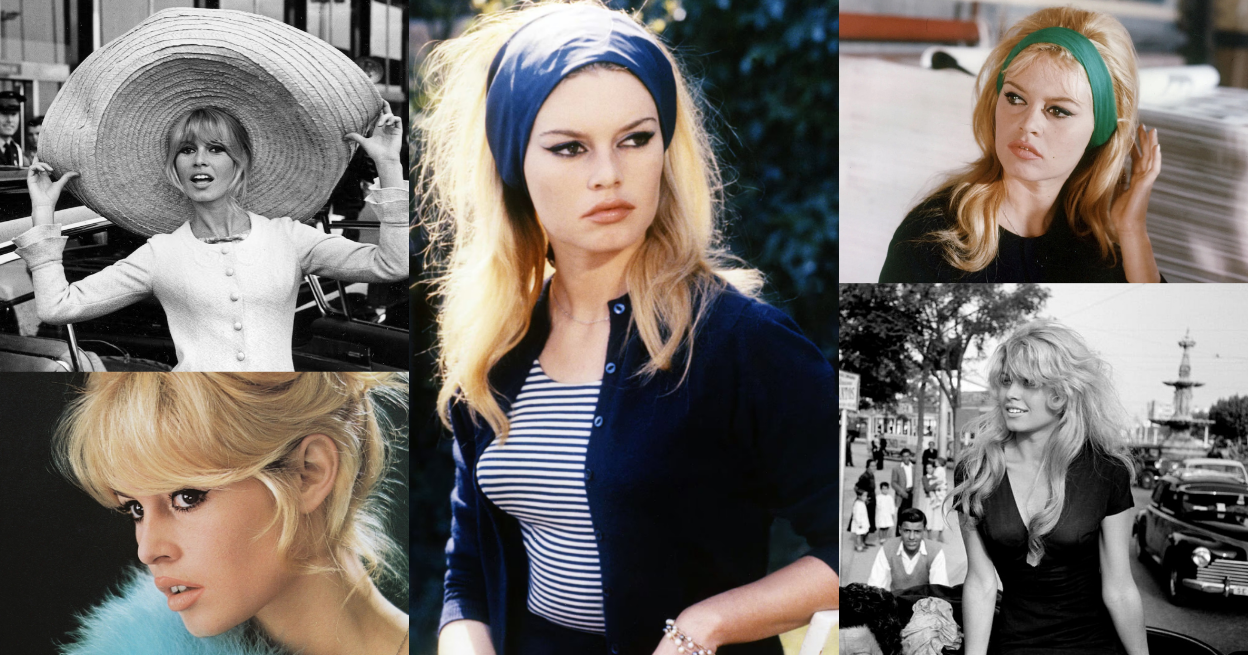
History remembers countless beauties, but rarely do we encounter a rebel so untamed… This is precisely why, when speaking of Brigitte Bardot, we focus not only on her striking appearance but on her lifestyle as well. B.B. – for the Europe of the 50s and 60s, this abbreviation became synonymous with sexuality and freedom. She shattered “Hollywood” beauty standards and offered the world an entirely new, natural, and wild charisma. In this article, you will learn how Brigitte Bardot was shaped into a femme fatale and the path she traversed before becoming a living legend.
The Austere Silhouette of Childhood
Behind the gilded facade of a luxurious Parisian apartment lay a childhood of paradoxical contrasts: a seemingly idyllic life shadowed by the strict, military-like order imposed by her father, Louis Bardot- an industrialist and engineer whose cold precision transformed home into a barracks. The weight of his expectations instilled in Brigitte a constant sense of fear and insecurity.
The emotional fracture that would define her early life occurred during a moment of childhood play. After accidentally breaking a precious Chinese vase, Brigitte and her sister were met not with comfort but with the lash of a whip. Following the incident, their father demanded a chilling formality: from that day forward, they were required to address their parents only with the formal “vous.” This act of domestic coldness carved an unbridgeable emotional chasm between parent and child. It was within this vacuum of affection and rigid discipline that the seeds of her rebellion were sown…
The “Ugly Duckling”
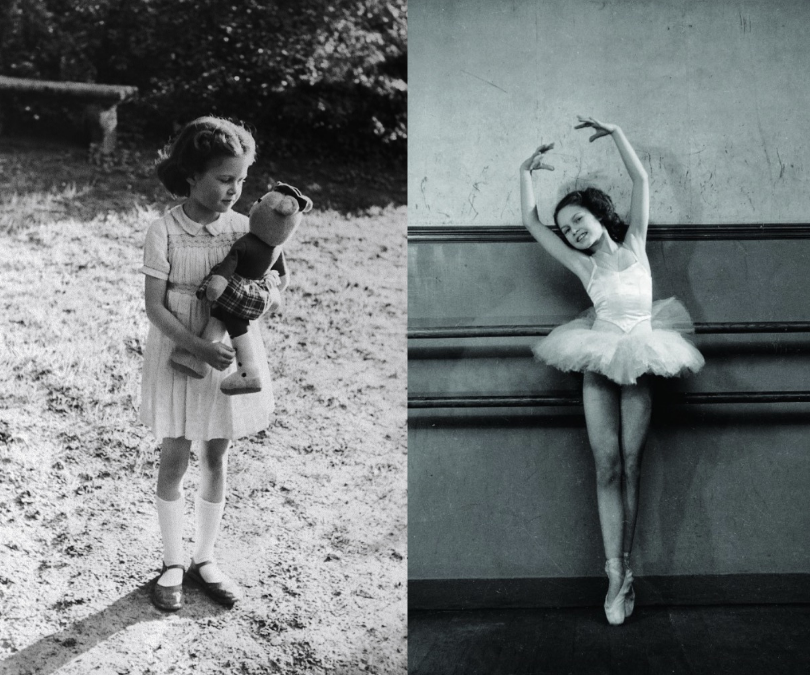
We are all familiar with Hans Christian Andersen’s tale of The Ugly Duckling, yet few realize that the woman who would become the world’s ultimate sex symbol once saw her own reflection in that very story. In her youth, Brigitte struggled with amblyopia- the so-called “lazy eye”- which relegated her to glasses, while a pronounced dental overbite required the constant, uncomfortable use of corrective braces.
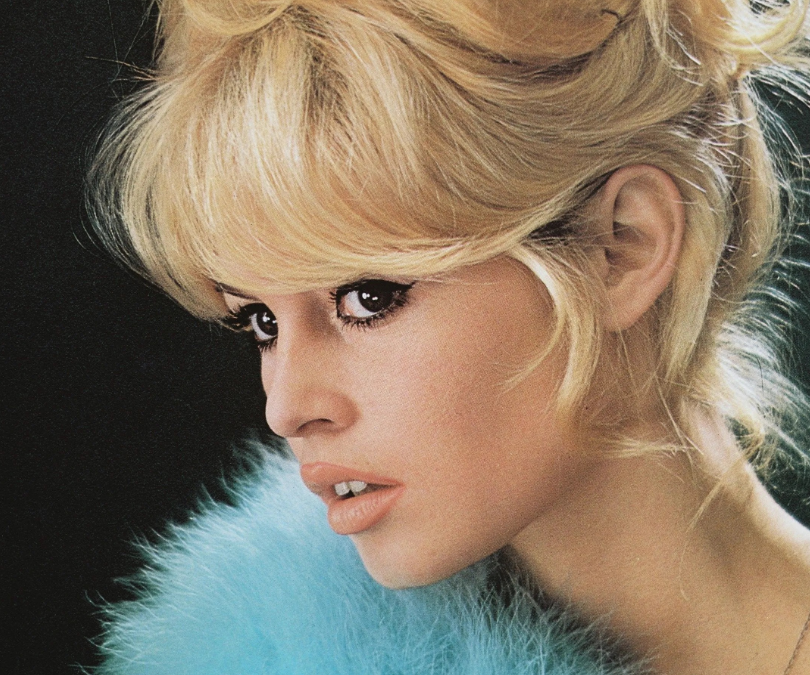
So, how did Brigitte transcend these beginnings to become one of the most breathtaking icons in history? The alchemy of her transformation lay in turning her perceived flaws into her most potent charms. That slightly protruding upper lip and the singular pout- the direct physical legacy of her overbite- were instantly reframed by the keen eyes of directors and photographers as a “childlike yet dangerously sensual” signature.
Yet, her allure wasn’t merely a trick of the light; it was built through years of rigorous ballet. It was at the barre that Brigitte acquired the ethereal grace and poise that would later define her persona. Dance taught her the mastery of her own form, slowly dissolving the inhibitions of her youth and replacing them with a feline confidence that would soon captivate the world.
The Matriarch’s Influence
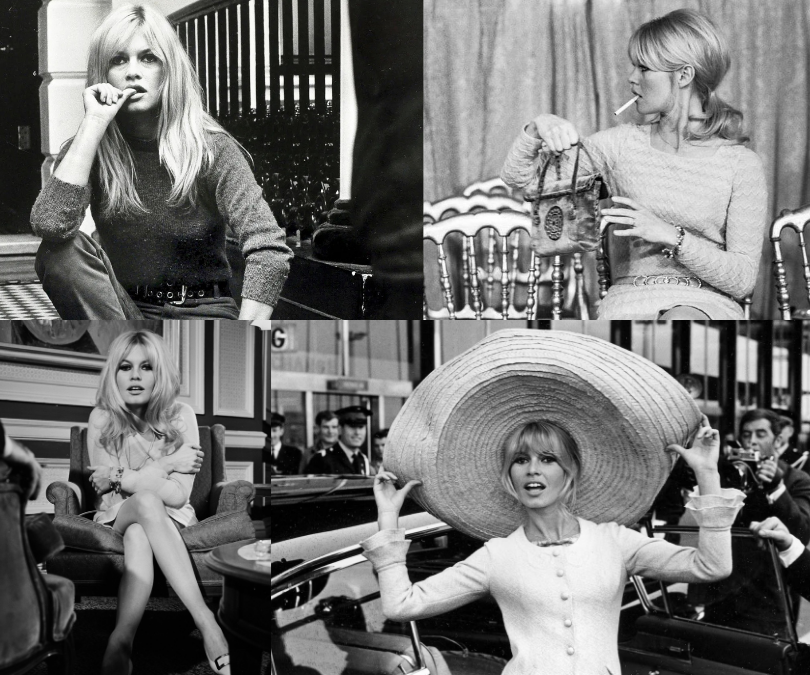
The hand of fate in Brigitte’s career was guided by her mother. Anne-Marie “Mouchi” Bardot was a figure within the fashion world. It was a close friend of hers, the editor of Jardin des Modes, who first discovered the fifteen-year-old Brigitte. They were in search of a new, fresh face that did not resemble the typical “mannequin.” In the post-war era, a rigid, mature, and “cold” standard of beauty was firmly established in fashion. Brigitte, however, was entirely different – her appearance radiated a sense of childlike innocence and a wild naturalness.
The Ascent to Stardom
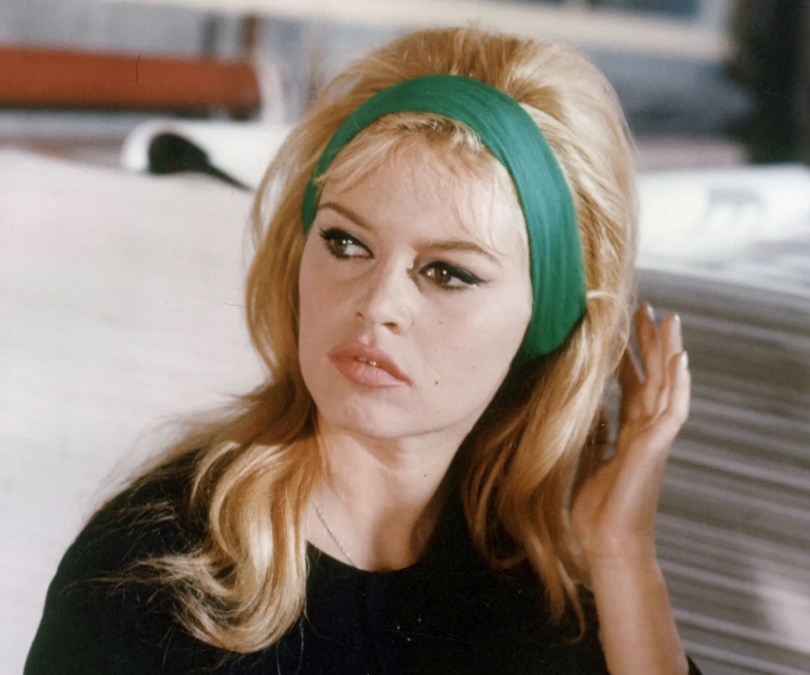
Brigitte’s path to fame began in 1949, and within a year, she appeared on the cover of Elle. Her cinematic debut took place in the comedy Le Trou Normand, where she played an episodic role. Bardot herself later recalled that she felt terrible on set – she disliked her own performance and believed she had no acting talent; however, the audience remembered and loved her instantly.
In 1953, Bardot traveled to the Cannes Film Festival. She had yet to land any major roles, but her appearance on the beach in a bikini during the festival caused a true sensation. At the time, a two-piece swimsuit was considered scandalous and overly provocative. Through this audacity, Brigitte did more than just change beach fashion; she inspired women to embrace an entirely new, liberated attitude toward their own bodies. Photographers pursued the nearly-nude Bardot like hounds on a scent. It is no surprise that American stars (such as Kirk Douglas) were eager to meet her. It was there, in Cannes, that the “Bardot Cult” was born-long before she would become a great actress.
No to Hollywood!
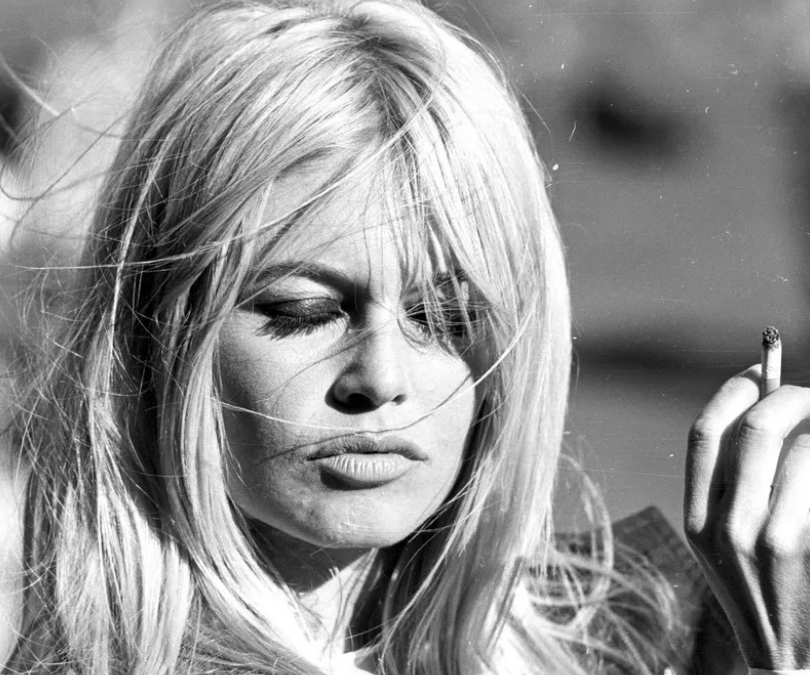
Brigitte Bardot also tested her strength in a Hollywood project- the 1956 film Helen of Troy, where she played the role of a handmaiden. As a result, she was offered a seven-year contract, but she categorically refused a long-term collaboration with Hollywood. As she famously stated, she did not want to become the second Marilyn Monroe; she was driven by a greater ambition- she wanted to be the first Brigitte Bardot in her own homeland, France.
The “Bardot Effect”
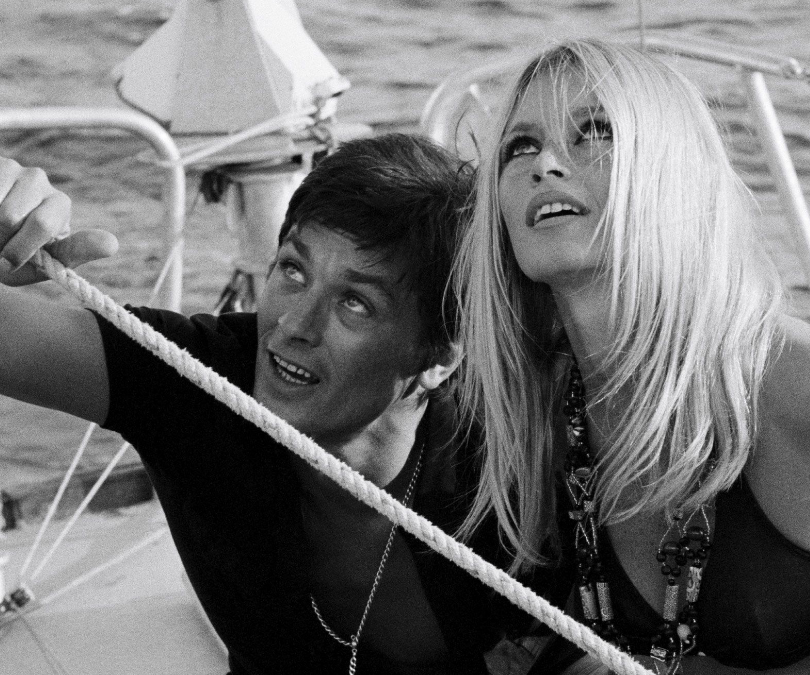
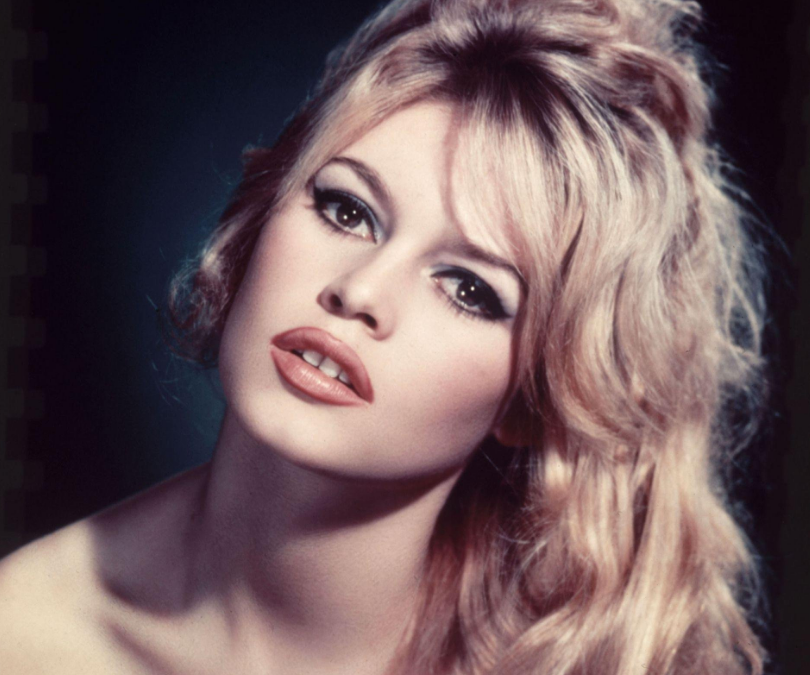
Brigitte Bardot ignited such a massive revolution in the fashion world that researchers often speak of the eras “Before Bardot” and “After Bardot.” She transformed Saint-Tropez- then a small, forgotten fishing village- into the epicenter of glamour. Among the trends she established, the most iconic is the so-called “Bardot Fringe”- tousled, voluminous blonde hair that replaced the rigid and “polished” hairstyles popular until then. Bardot’s love for ballet and ballerina slippers turned Repetto footwear into a symbol of everyday elegance; it was through her influence that “ballet flats” became a staple of street style.
Psychoportrait and Subconscious Revenge
Childhood traumas played a decisive role in her formation as both an individual and a cultural icon. Brigitte Bardot’s psychoportrait is a classic example of how a deficit of love in childhood transforms into an unbridled rebellion and an almost manic pursuit of freedom in adulthood. The “wild” and “untamable” persona Bardot established on screen was not merely a feat of acting- it was a reaction to her father’s military discipline and bourgeois rules. The fact that her parents forced her to address them with the formal “vous” at home represented an emotional exile for Brigitte. Consequently, in her adult life, she rejected all forms of etiquette- choosing instead to walk barefoot, wear her hair tousled, and disregard social norms. Indeed, this was her subconscious revenge.
Filmography
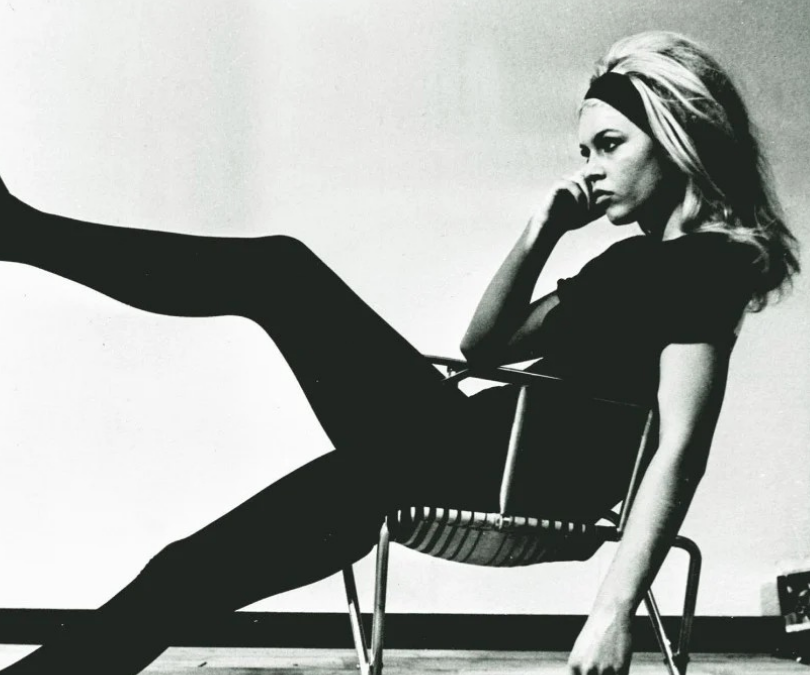
Brigitte Bardot starred in a total of 48 films. Her cinematic career includes numerous cult roles that defined the aesthetics of an entire era.
In 1961, she received Italy’s highest cinematic honor, the David di Donatello, as “Best Foreign Actress” for the film La Vérité (The Truth). Many critics acknowledged that in this film, she fully demonstrated her acting prowess, shattering the image of being merely a “sex symbol.”
A special place in film history is held by Jean-Luc Godard’s Le Mépris (Contempt, 1963), in which Bardot created a tragic and contradictory portrait of the modern woman. This served as further proof that Brigitte possessed both beauty and talent in equal measure. Furthermore, in the adventure comedy Viva Maria! (1965), she once again proved her ability to bring a role to life with total authenticity.
Despite Brigitte Bardot being one of the world’s biggest stars, film critics often failed to take her seriously, which caused the actress great heartache. Nevertheless, in 1967, Bardot was nominated for BAFTA Award for “Best Foreign Actress.” This stood as one of her most significant professional accolades on an international level.
In 1985, the President of France awarded her the country’s highest honor – the Légion d’honneur (Order of the Legion of Honor) – for her contribution to the development of culture.
Read the full article in the latest issue of N13.
The magazine is available at:
-Biblusi stores in Tbilisi and Batumi
-Museum of Fine Arts Bookstore – 7 Rustaveli Ave.
-Stamba Books Store – 14 Merab Kostava St.
-They Said Books – 10 Giorgi Akhvlediani St.
Text: Tatuli Gvinianidze