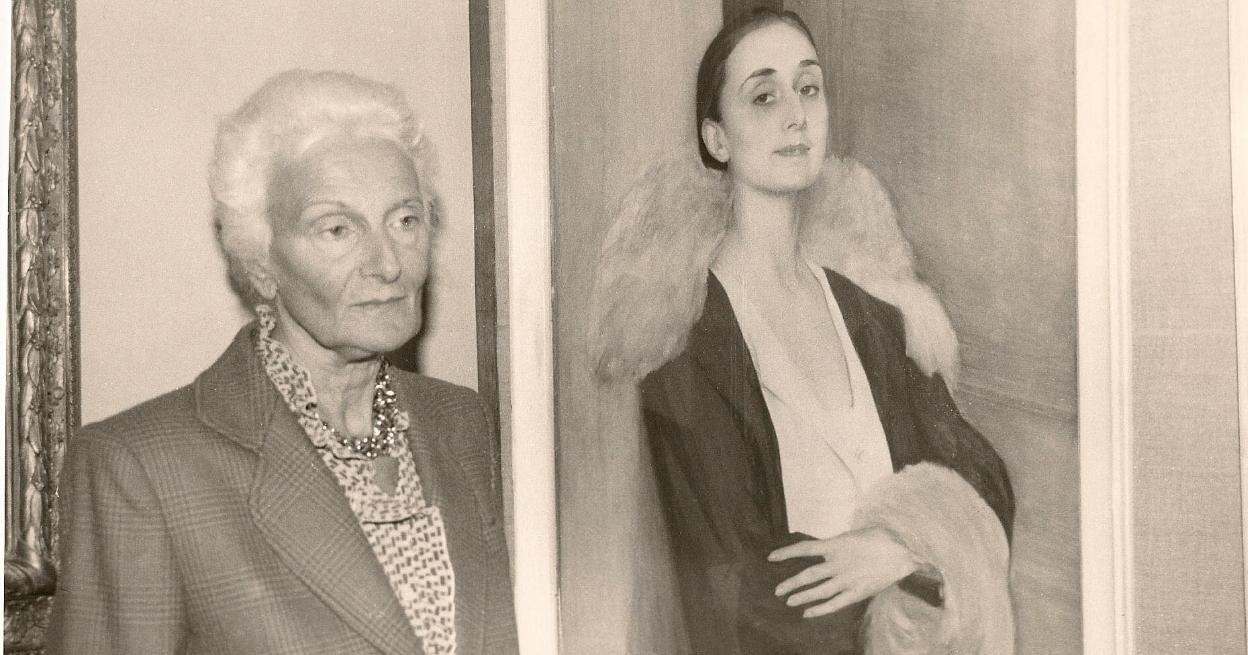
Fashion is often seen as something temporary, a fast-changing trend. But when we look deeper, it becomes clear that this industry is far more complex and meaningful. Fashion has a unique ability to capture the spirit and beauty of an era. It reminds us that beauty is born from personal perception and appears in our daily lives in many forms. In this context, Georgian beauty has always stood out – a rare balance of aristocratic grace and inner strength that has attracted the attention of leading fashion houses across different periods. In this article, we remember a woman who became one of the clearest symbols of this unique aesthetic.
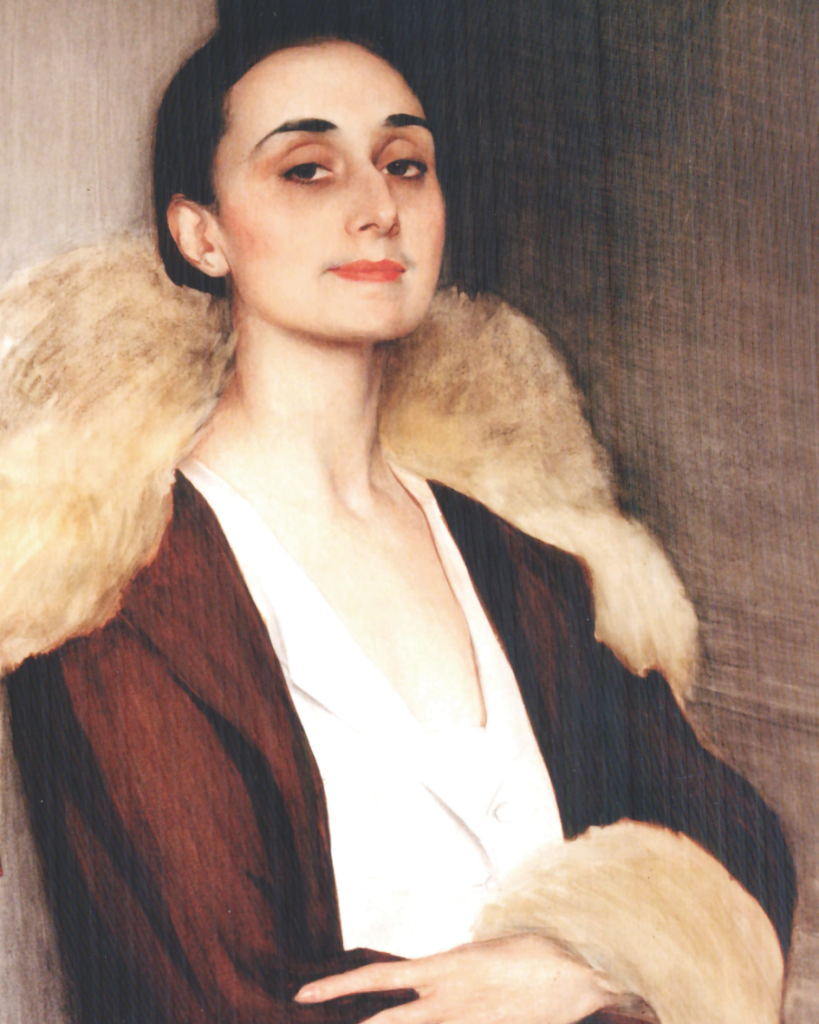
Melita Cholokashvili grew up in Kakheti, in a noble family, in an environment where beauty was not limited to appearance alone. Great importance was given to manners of speaking, posture, restraint, and even the culture of silence. Because of this, Melita’s elegance was never learned or artificial. It was shaped in early childhood as inner discipline and became stronger with time.
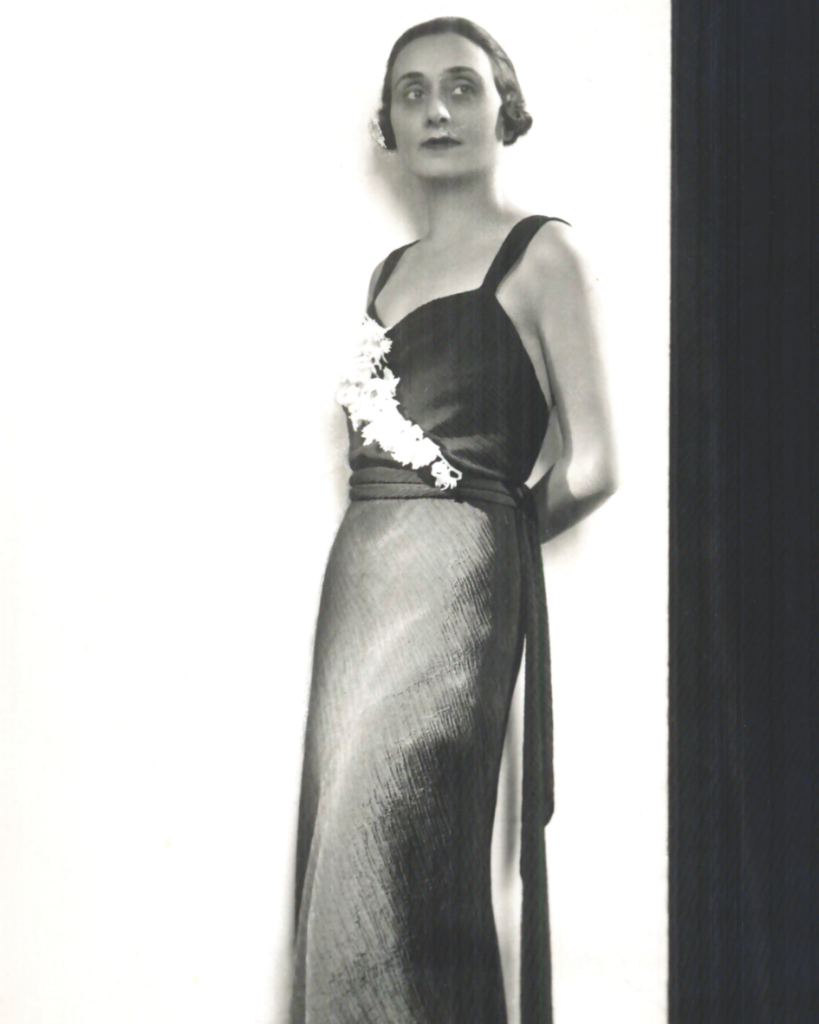
In the 20th century, Melita was not only a muse but also an aesthetic symbol of her era. In the early 1900s, her home in Tbilisi became a meeting place for intellectuals and artists. Georgian poets such as Paolo Iashvili and Grigol Robakidze read their works there, while Titsian Tabidze famously called Cholokashvili a goddess. Her presence impressed everyone at first sight. This became even more evident after she left Georgia and moved to Paris in 1922 with her young child.
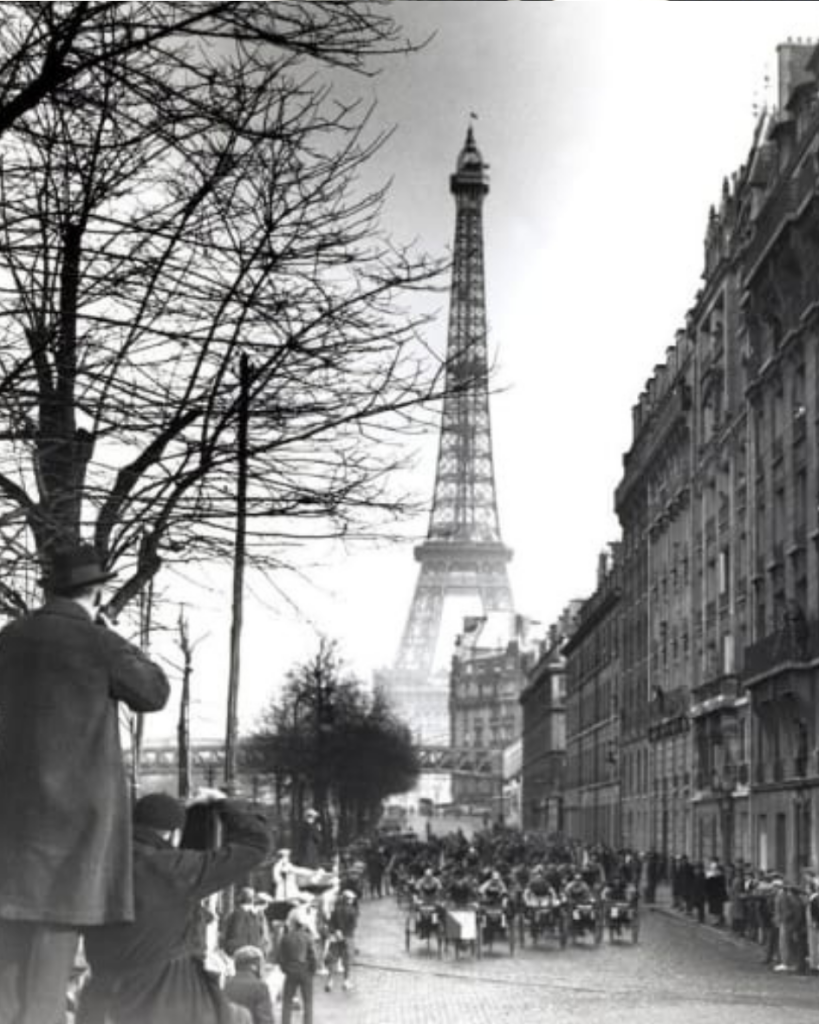
French emigration opened the doors of the fashion world for her, though the journey began not with luxury, but with survival. During the era of Coco Chanel, when women’s silhouettes were freed from corsets and adapted to a new minimalist style, a Georgian noblewoman appeared on Paris runways. Melita Cholokashvili was not “photogenic” in the classical sense. Her beauty lived in movement – in her calm walk, controlled gestures, and the invisible discipline that followed her from childhood.
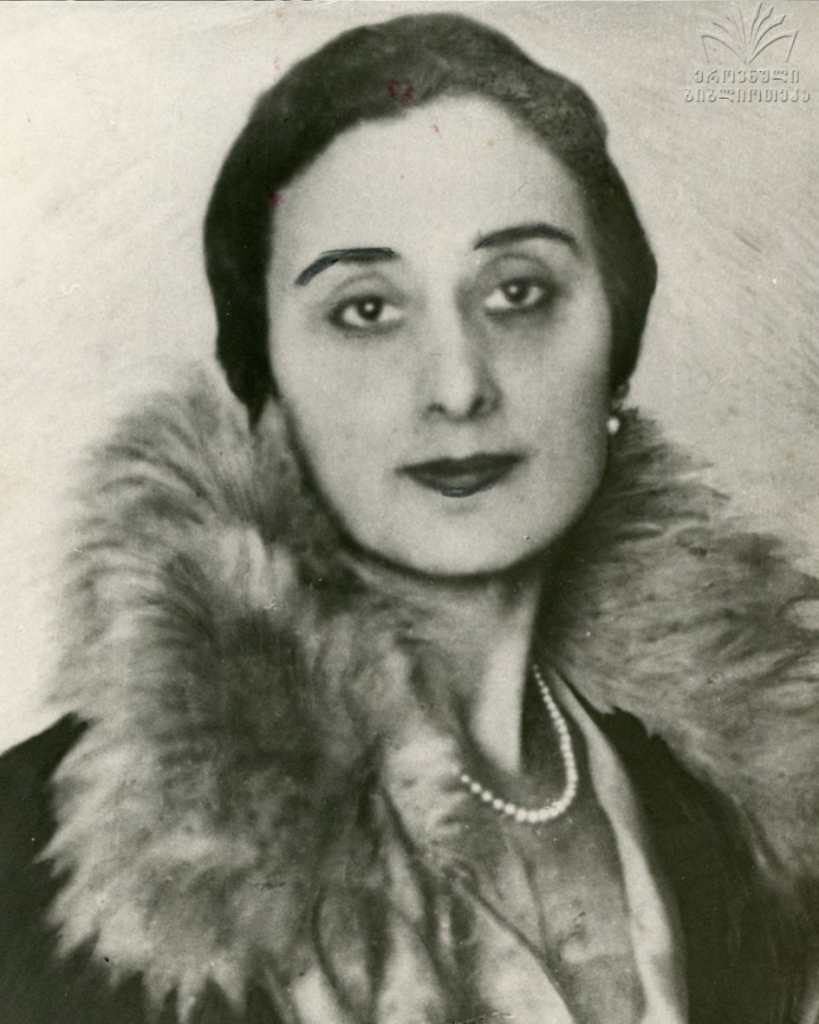
Chanel, always searching for authenticity, showed special interest in representatives of Georgian aristocracy. She was fascinated by the idea that her designs were worn not just by models, but by real nobles, for whom elegance was a way of life, not a role. On the runway, Melita never performed. She simply expressed her inner world and dignity. That was enough to make her a symbol of Georgian beauty in the history of 20th-century French fashion.
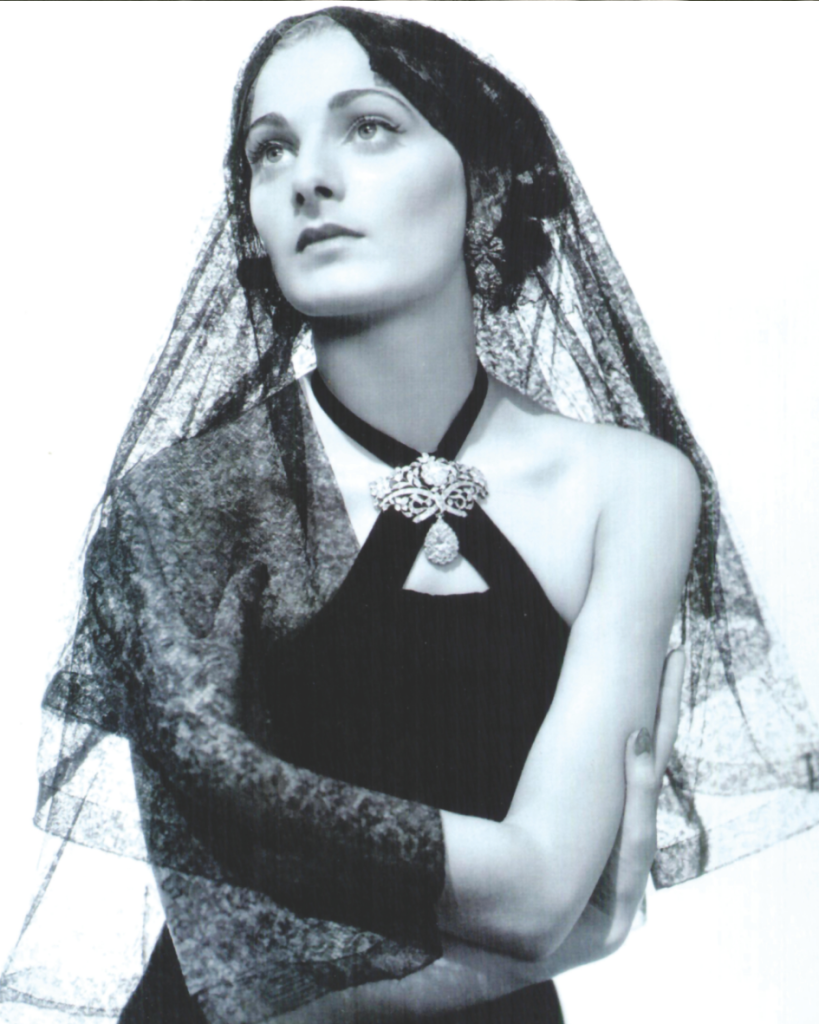
Melita’s legacy was continued by her daughter, Lilia Zelenskaya, whose photographs appeared on the pages of 1930s Vogue. Like her mother, Lilia inherited a refined visual presence and successfully found her place in Parisian fashion of that time.
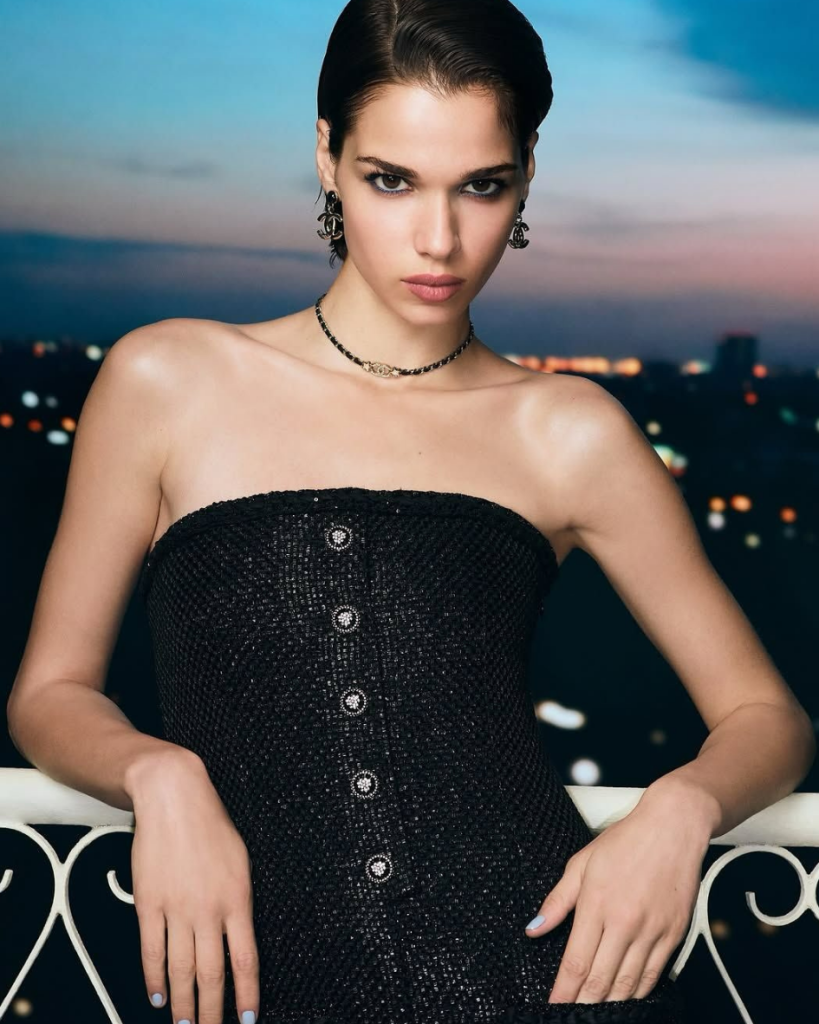
Years later, the interest in Georgian models continues in the modern fashion industry. A clear example is Mathilda Gvarliani, a 21st-century star who, like Cholokashvili, has appeared many times in runway shows and campaigns of the CHANEL fashion house. This proves that Georgian charm attracts international fashion again and again and never loses relevance. And why? The answer is simple: the beauty of Georgian women comes from strong character and inner charisma – a natural part of our genetic code, expressed visually with ease and authenticity.
Text: Ninia Okromchedlishvili