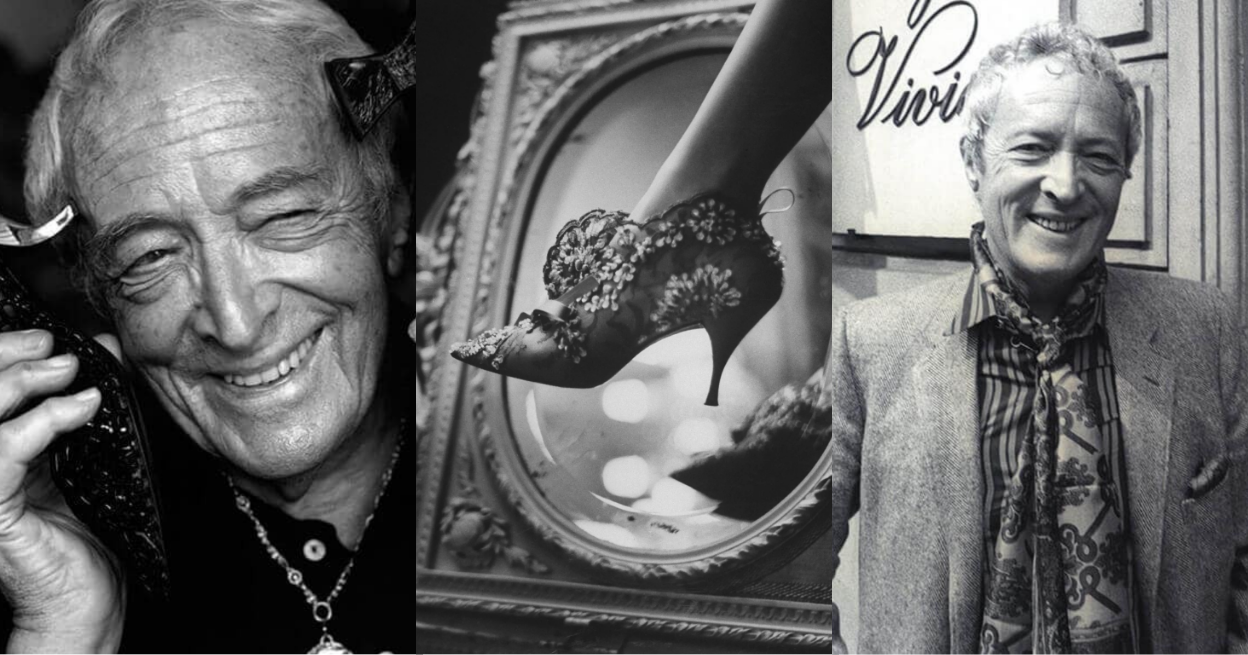
Shoes are never just a detail. In the world of Dior, they are the foundation on which the entire silhouette stands. The years 1947 to 1957 are known in fashion history as the Golden Age of Couture – a time when fashion houses created not only clothes, but a feeling that women carried with them. Dior’s silhouettes, described by the press of the era as “domes of wonder,” needed shoes that could support and enhance their beauty – in form, energy, and emotion.
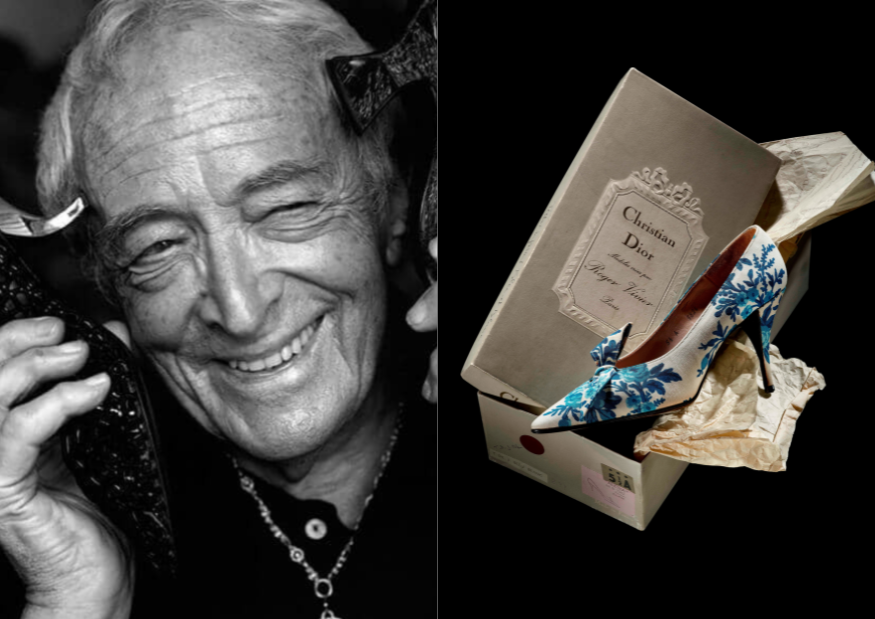
It was in this context that Roger Vivier appeared. The French designer was the only creator Christian Dior called an artist, and the only one with whom he chose to share authorship – an honour given to just one designer in history. The collaboration between Dior and Vivier was never a simple partnership. It was a cultural dialogue, where clothing and footwear became one complete vision. Vivier took shoes out of the role of decorative accessory and gave them the status of art.
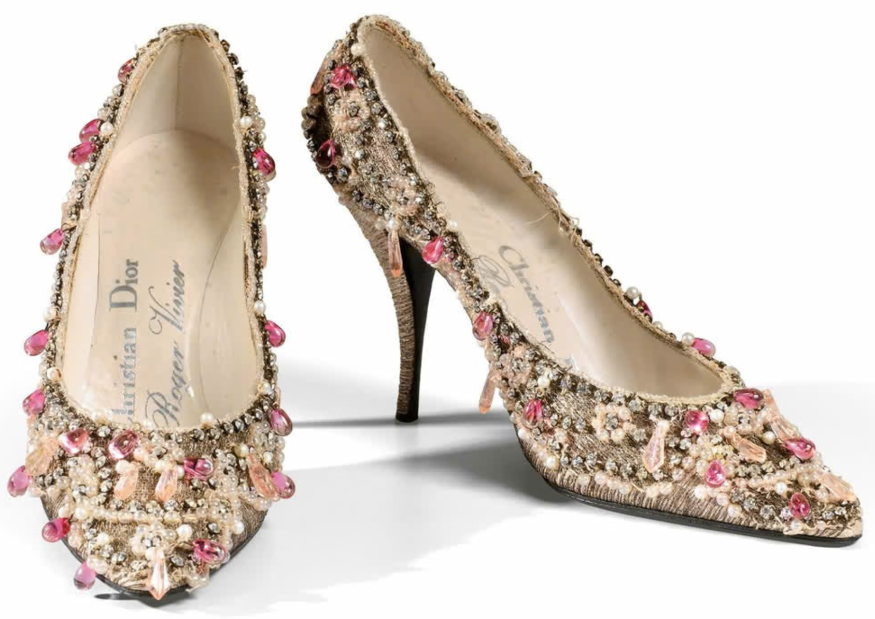
Each pair Vivier created for the Dior ateliers was not a seasonal trend. It was a thoughtful study of form, movement, and balance. Shoes no longer followed the dress – they worked with it, shaping a complete silhouette. The history of Dior shoes is not only about style; it is a record of cultural evolution, where the house observes centuries of taste and transforms them into its own visual language.
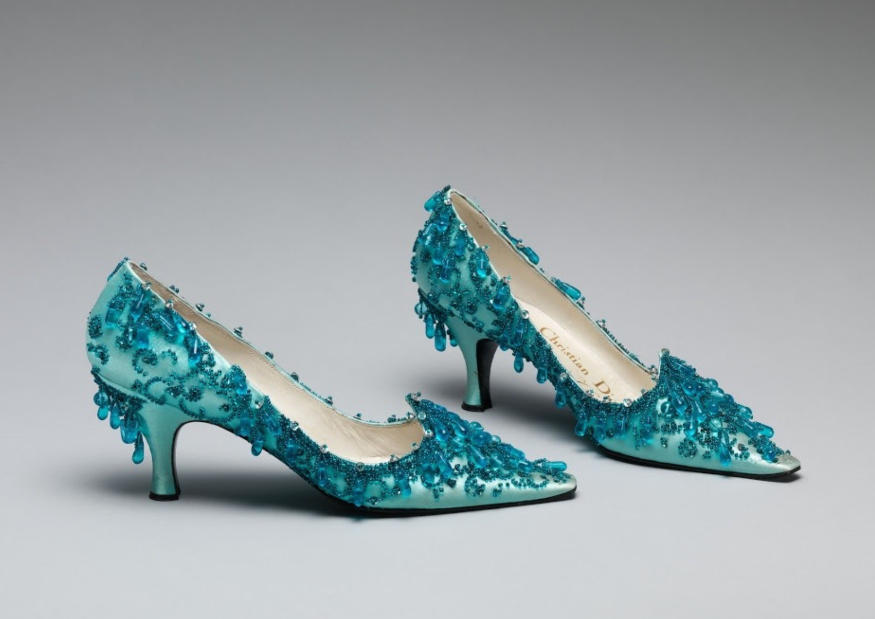
For Roger Vivier, shoes were never only practical. In 1954, he introduced the stiletto heel with a steel core, changing the way women walked – visually and symbolically. It became a sign of power, elegance, and confidence in an era when the female body followed strict aesthetic rules.
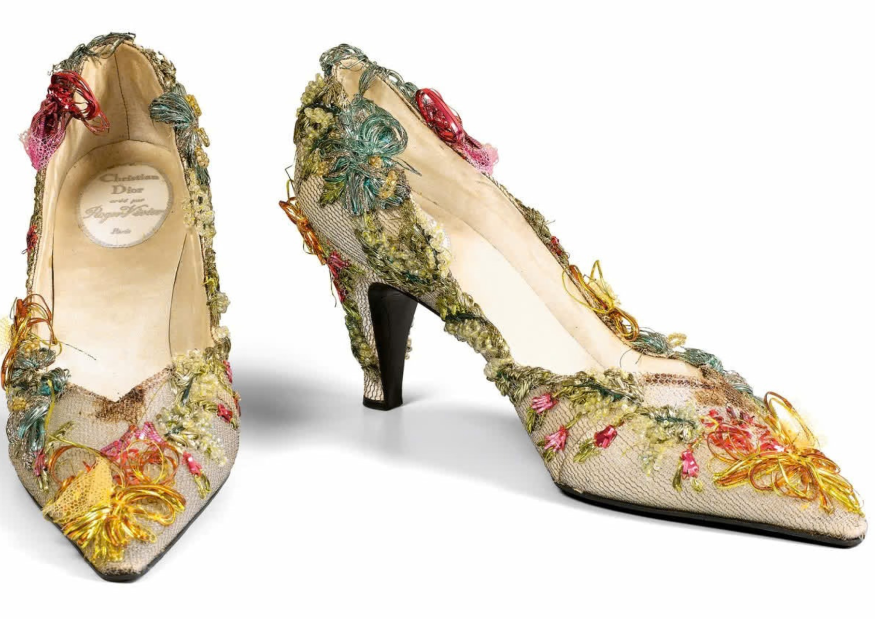
The models created for Dior stood out with sculptural heels, refined lines such as the Virgule and comma heel, precious materials, pearls, gold threads, and embroidery. Their silhouettes spoke a clear visual language – strong, original, and elegant. Today, when sculptural heels and stiletto shapes return in modern Dior collections, it is a direct conversation with Vivier’s era. His vision established the idea that shoes should never be secondary.
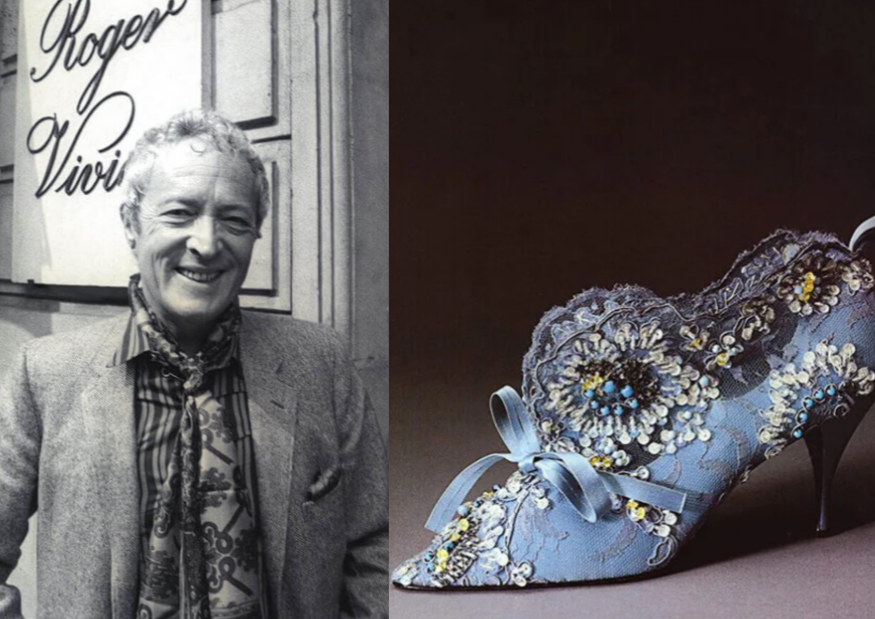
Roger Vivier’s influence goes beyond one decade. It continues to shape how fashion understands elegance, movement, and the role of footwear. His legacy reminds us that fashion is not just clothing – it is a living culture, always moving forward while carrying the ideas of the past. Every step taken in Dior shoes is part of that story: refined, powerful, and uncompromisingly elegant.
Text by: Ninia Okromchedlishvili