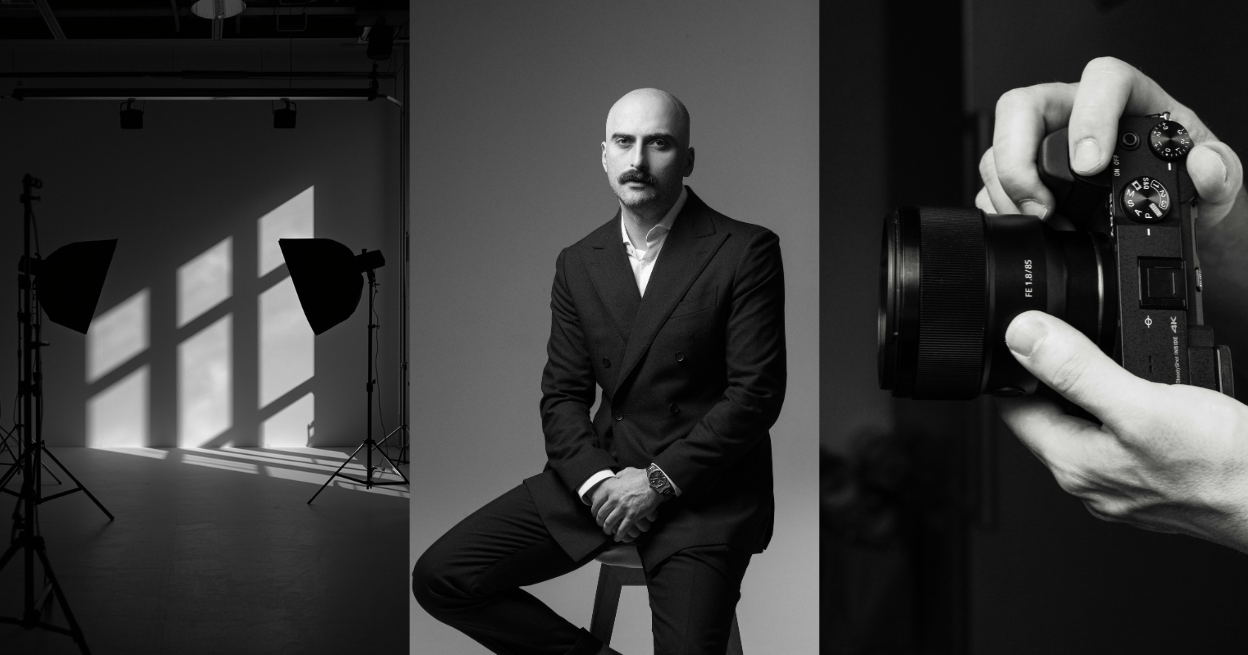
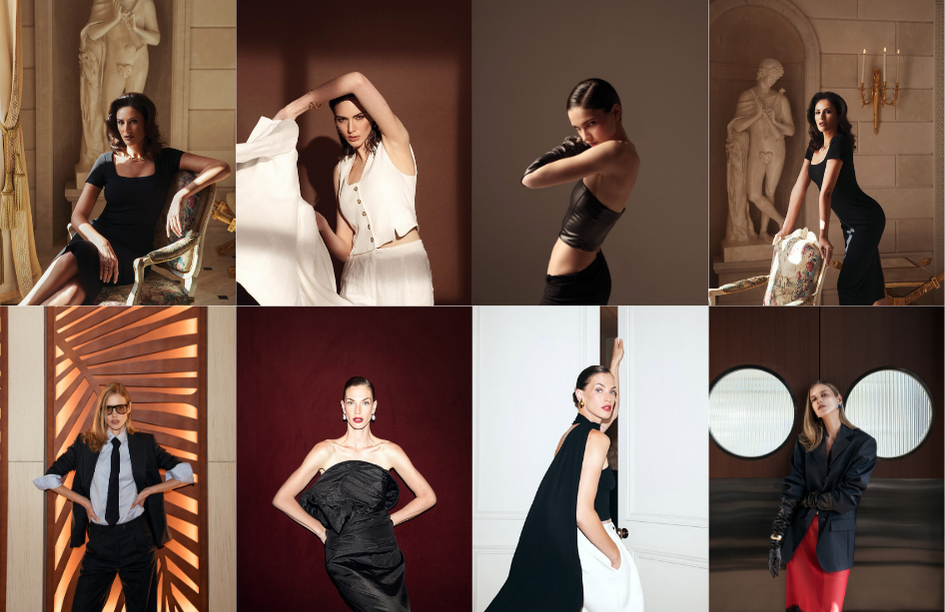
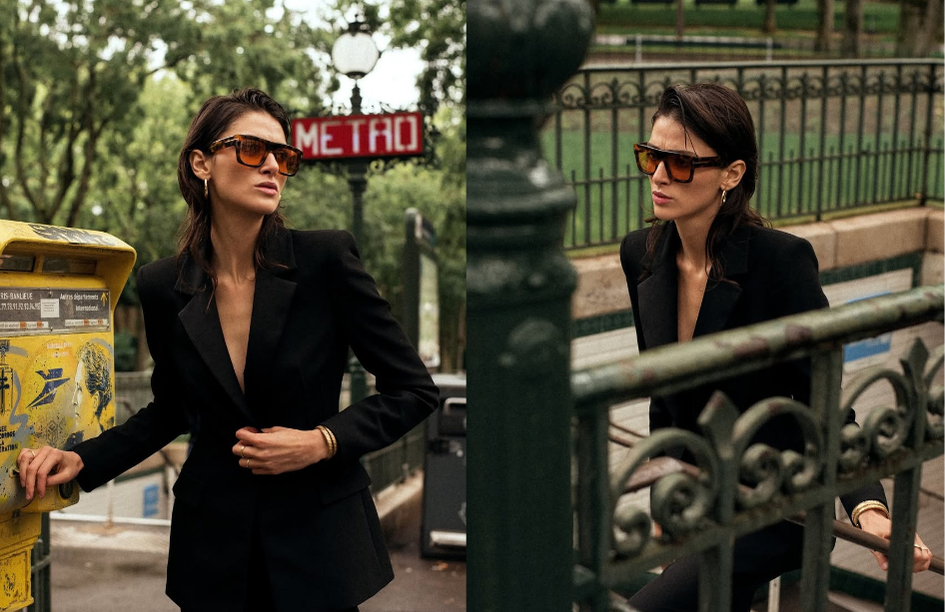
Photography often begins with a spontaneous, almost unconscious impulse. For Shota Gotoshia, however, the journey started in a professional setting. “Kikala Studio was the place where I took my first steps in fashion and commercial photography,” the photographer shares. This is where interest turned into practice and gradually shaped his visual signature. Although speaking about his own style is not easy for him, in an interview with N13 he clearly names the genre that attracts him most: fashion editorial photography. “It’s difficult to define your own style, but the genre I enjoy the most is fashion editorial photography,” he says.
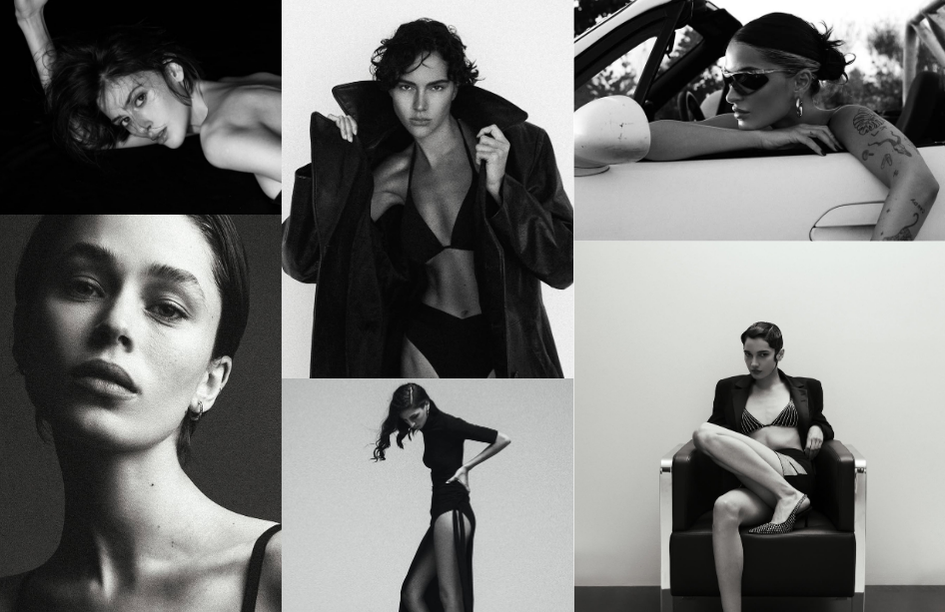
In Gotoshia’s work, vision always comes before technical perfection. For him, the most important element of an ideal shot is mood- the emotional charge that turns an image into a story. “For a frame to be unique, composition matters, but so does the atmosphere that creates the photograph,” Shota explains.
Career Evolution and Inspiration
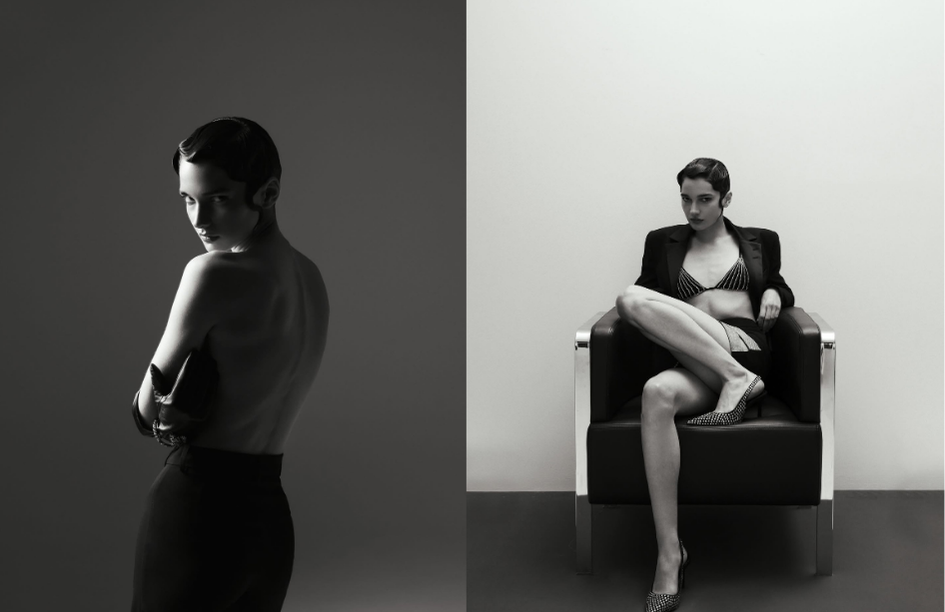
As he notes in the interview, his professional growth is closely connected to collaboration- working with different stylists, models, art directors, and other creative minds. “My development as a photographer was shaped by working with various stylists, models, art directors, and creative people,” he says.
Inspiration comes from many details, but one name stands out for him at this stage: “I would single out the work of Lachlan Bailey, where I often find inspiration.”
N13 and Working on Cover Shoots
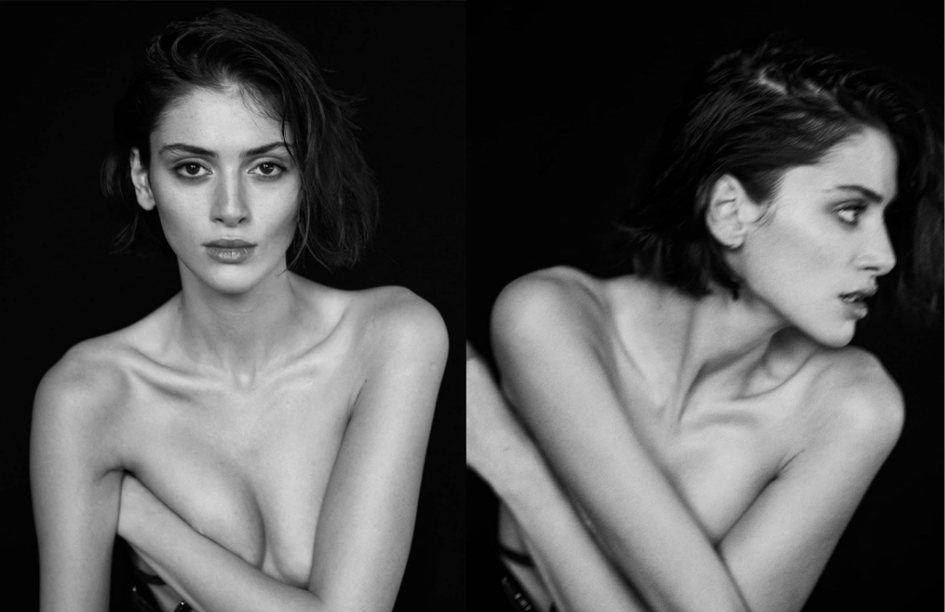
Working with N13 is an important part of Shota Gotoshia’s creative path. Among many projects, one remains especially close to him: the cover shoot featuring Krista Kober. As he explains, working with an international model whose images he had previously seen on foreign magazine covers and editorials was particularly exciting. “The most memorable shoot for me was Crista Cober’s cover, because it’s interesting to work with a model you’ve only seen on other magazine covers before,” he notes.
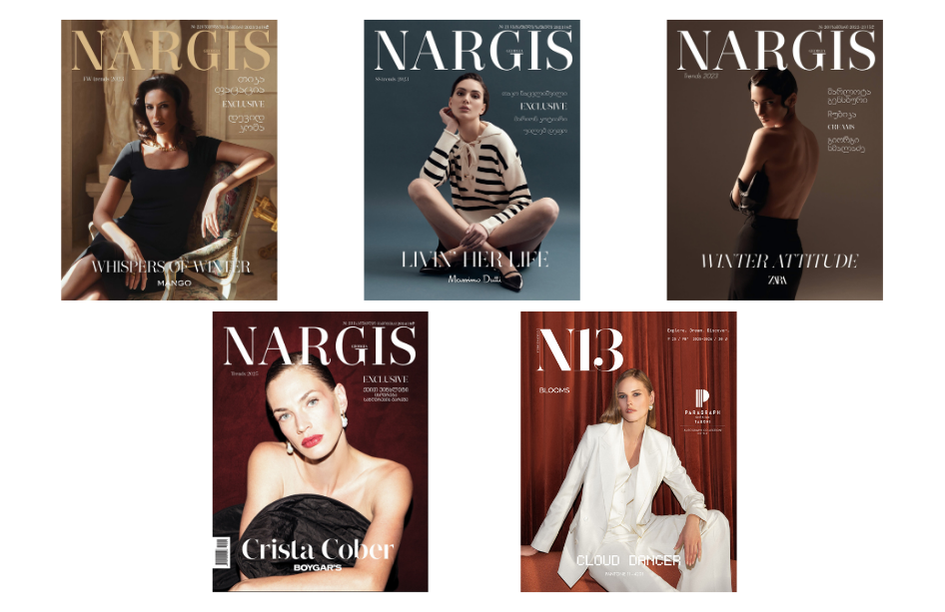
Shooting a magazine cover is a complex and demanding process. A single image must tell a full story to the audience. While this comes with challenges, Shota believes these very limitations make the process special. “Cover shoots have their own guidelines. Following them is difficult and requires responsibility, but these restrictions actually make the final result more interesting,” he explains.
Vision and Contemporary Trends
A common question in photography is what matters more: modern techniques or a unique vision. For Shota Gotoshia, the answer is clear- vision plays the leading role. He also notes that sometimes the strongest image appears unexpectedly. “Sometimes the frame you don’t expect to be strong ends up being the best,” he says.
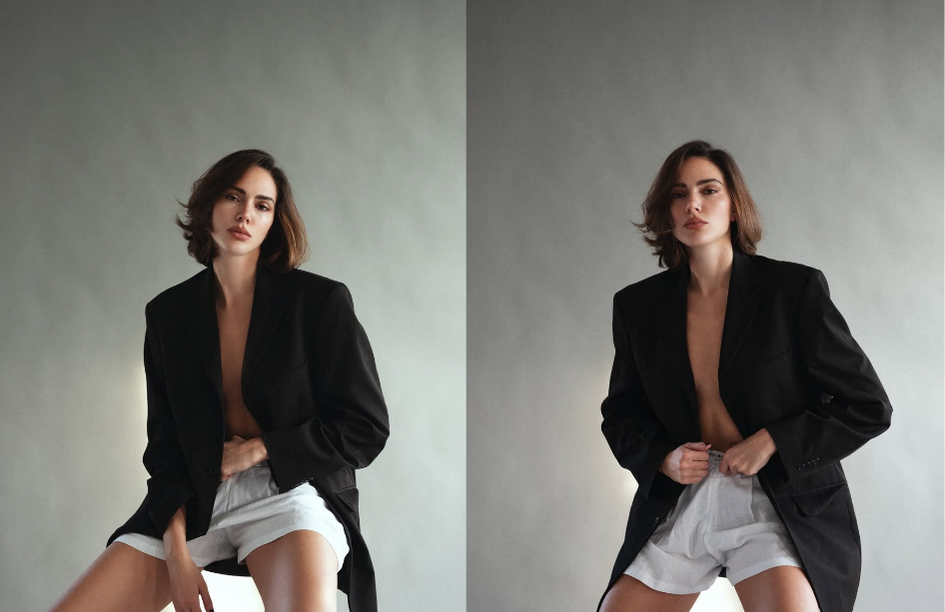
Although keeping up with trends often seems necessary, Shota believes photography works differently. Changing industry trends have little influence on his way of seeing. “Despite trends, I prefer classical photography. Trends don’t really affect me,” he explains.
Advice for Beginner Photographers
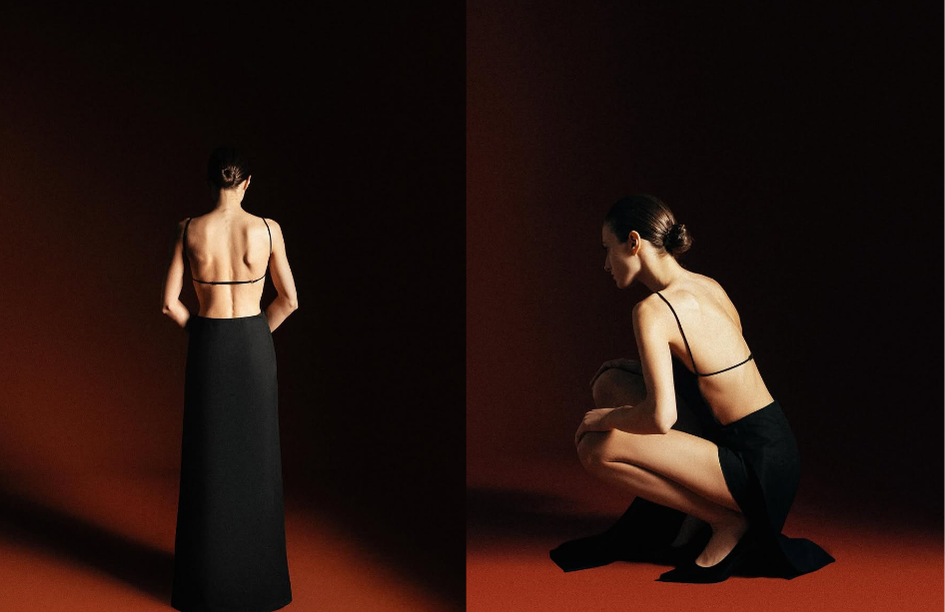
For those just starting their journey in photography, Shota’s main advice is to broaden their visual horizon. He believes that observing the work of others is key to forming a personal vision. “I advise beginner photographers to look at as many classic photographers’ works as possible. It helps them shape their own taste,” he says.
Interview: Mariam Bekauri