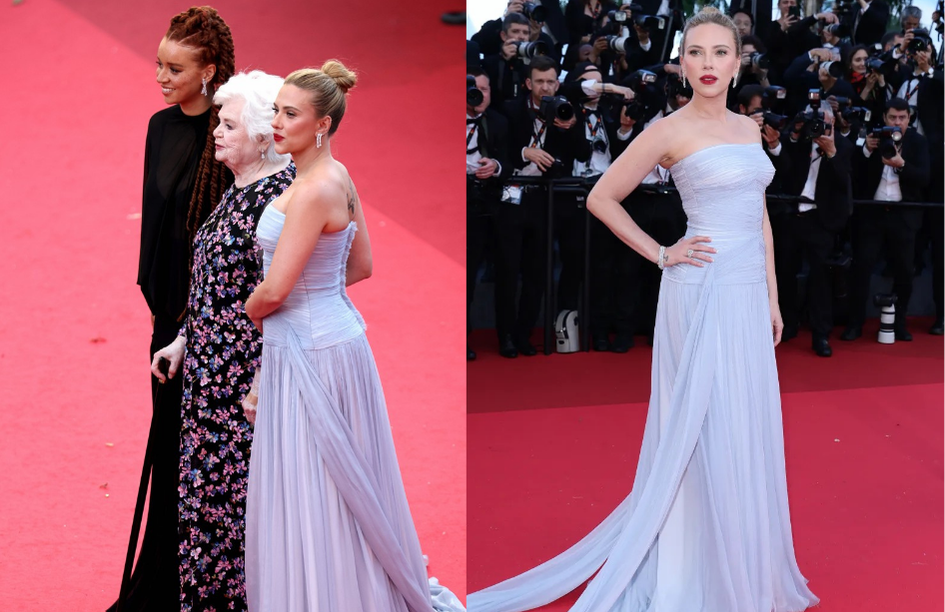
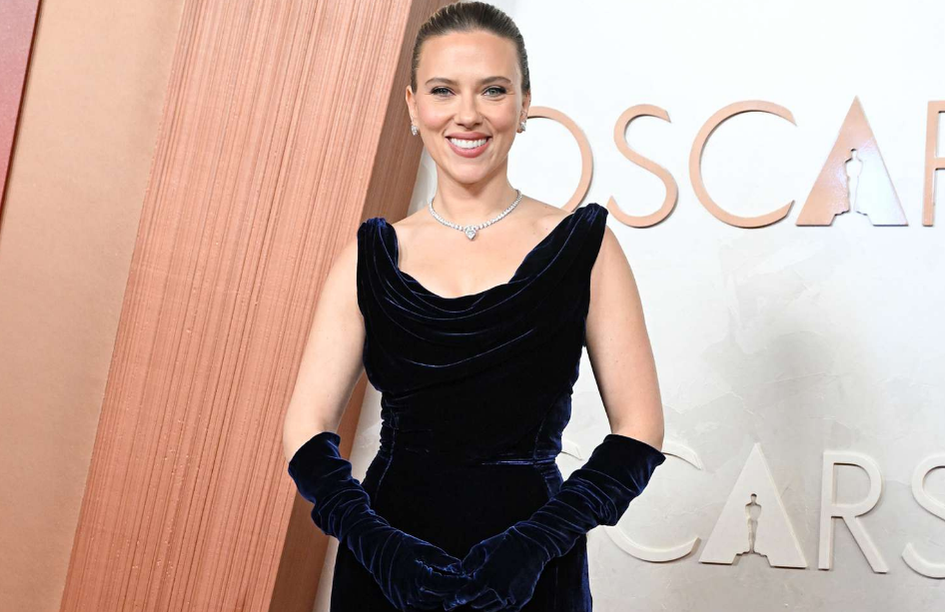
One of the most successful actresses of our time, and a former muse of Woody Allen and Brian De Palma, Scarlett Johansson has now taken a new step in her career. Her directorial debut premiered at the 78th edition of the Cannes Film Festival. Her film Eleanor the Great (2025) tells the story of 94-year-old Eleanor Morgenstern. By chance, she becomes part of a group of Holocaust survivors and begins telling the life story of her late friend as if it were her own. Soon she finds herself in the spotlight of the local community, the media, and even a popular TV show. What begins as a harmless lie slowly turns into a chain of consequences that becomes harder and harder to escape. The film is already being discussed as a possible contender for Academy Award nominations. But perhaps the most important part of this story is Johansson’s bold creative step. In search of a new artistic identity, she has moved to the other side of the camera.
When did you realize you wanted to try directing?
I dreamed about directing since childhood. I’ve dreamed of directing since I was a child. When I was 12 years old and attended the filming of The Horse Whisperer, I realized what directing really means. I remember watching Robert Redford very carefully while he worked on the scenes. At that moment I told myself: this is what I want to do. Later I focused completely on acting, and directing stopped being a priority. About six years ago I created my own production company and became more involved in producing. For a long time I avoided directing because it felt like too much responsibility – you constantly solve other people’s problems. But deep down I always hoped that one day the right project would come. When I received the script for Eleanor, it was not the perfect moment to try something new. Still, I felt ready. I had the emotional maturity and confidence to take responsibility. It also helped that today there are many female directors in Hollywood. They have already opened the door for others.
What attracted you to the script?
The story moved me deeply. It reminded me of the films I loved when I was young – very honest and personal movies from the 1990s and early 2000s. I also liked the idea that New York becomes almost a character in the film. My relationship with the city is complicated. I can’t stay there for too long, but I always miss it when I’m away. I love its energy and rhythm – the feeling that you are part of something constantly moving. Another special part of the film was the chance to work with actors in their 80s and 90s. I have huge respect for older people. They carry so much life experience and wisdom. Their way of seeing the world is unique. I have read hundreds of scripts over the years, but it is rare to find one as clear and consistent as Eleanor. It had a strong structure, a unique idea and real emotional depth. It felt like one of those rare moments when the story chooses the director.
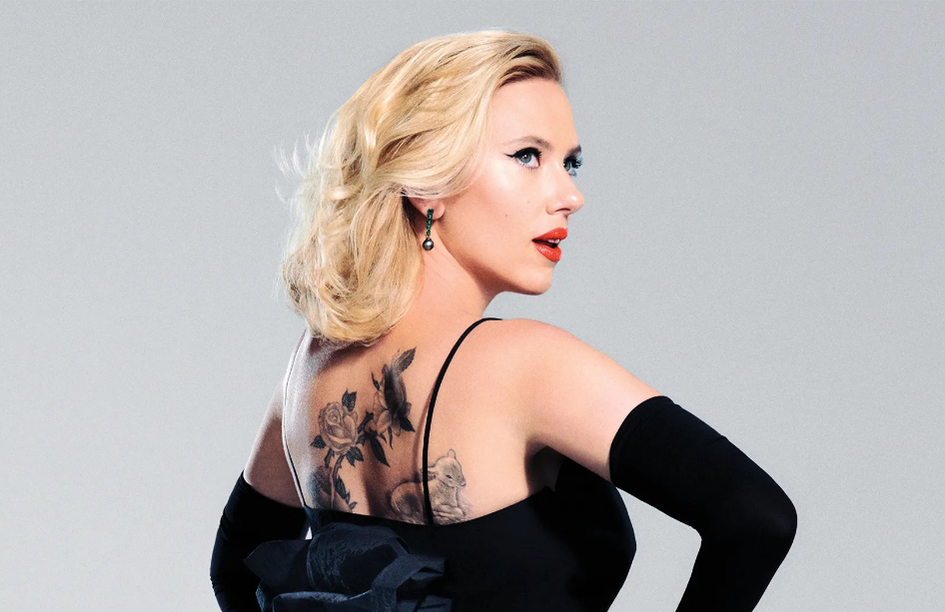
What did you discover about yourself as a director?
Directing felt like a natural continuation of my 30-year acting career and my experience as a producer. Still, I had no idea how I would guide actors. To my surprise, on the very first day of filming I realized that we all spoke the same language. That was a big relief. It helped me lead the team with respect and a careful approach.
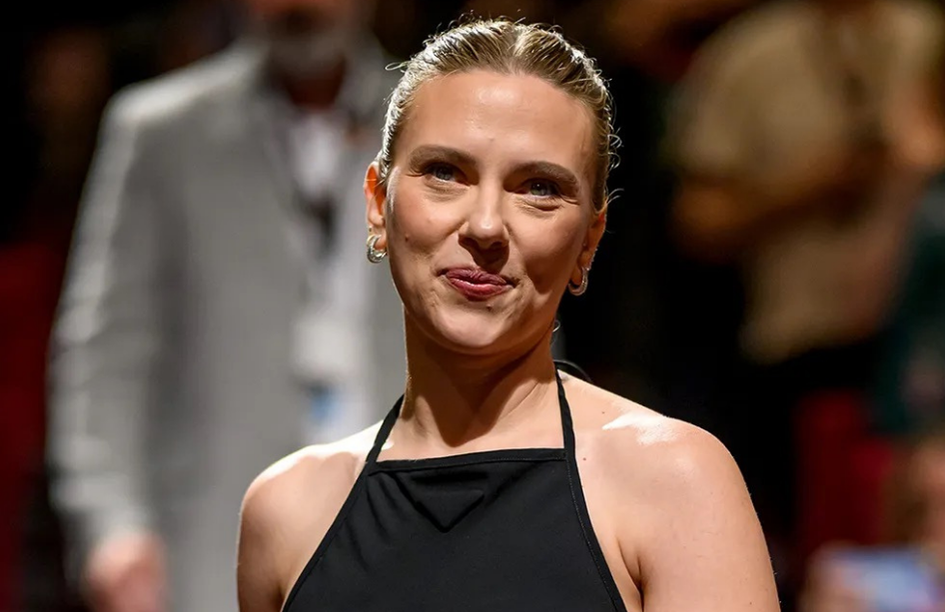
How did you start working as a producer?
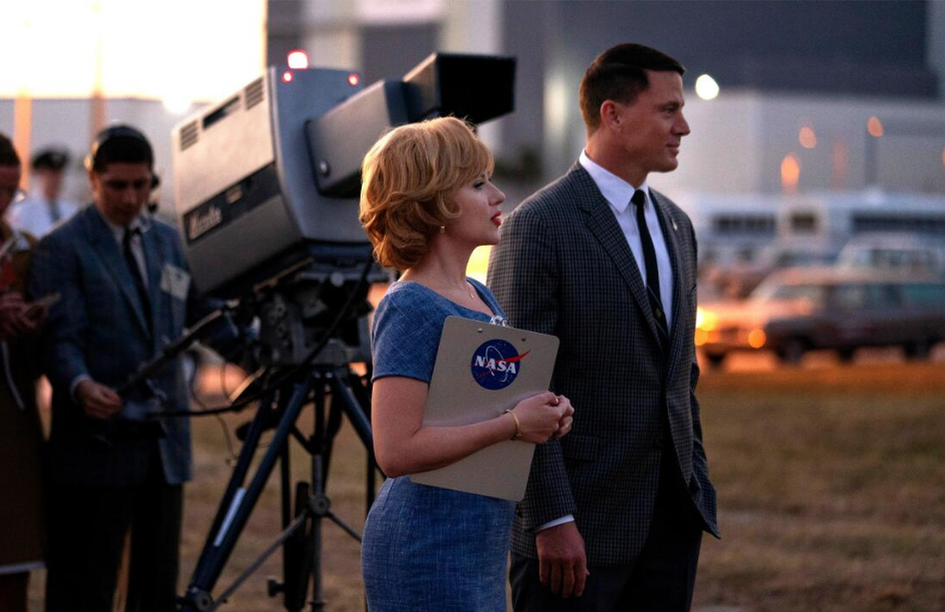
At first I tried the role of executive producer. Last summer I presented my first full production project – the romantic comedy Fly Me to the Moon (2024). The story is set during a crisis at NASA in the 1960s, when the United States was preparing to send the first human to the Moon. I also acted in the film and played a marketing specialist. My co-star was Channing Tatum. Channing turned out to be very different from what I expected. I thought he was serious and reserved, but on set he was incredibly funny and unpredictable. Sometimes he would suddenly jump out to scare me. Other times he would make strange noises in my ear or put his finger under my wig. You could never get bored around him. My production company found investors, but convincing them to finance the project was not easy. Even when you are a well-known actress, this challenge remains. In many ways, producing means constantly selling ideas and persuading people.
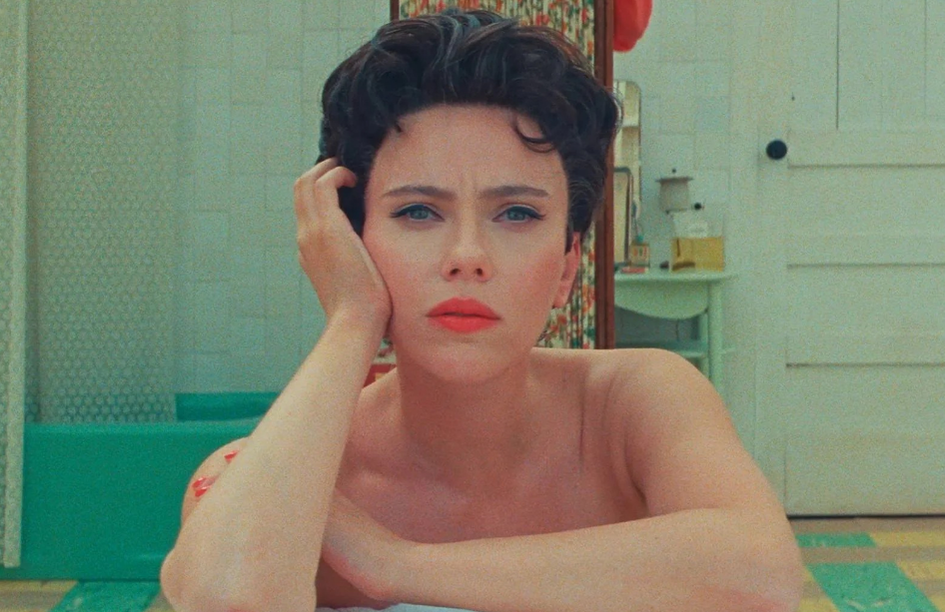
You continue acting as well. What makes director Wes Anderson so special?
In his film The Phoenician Scheme I played a small but mysterious character called “The Cousin.” The film is full of grotesque humor, which I really love in Wes’s work. He has an incredible ability to create spaces and moments where you feel completely immersed. His work is extremely detailed – from camera movement to dialogue – but at the same time it still gives actors a feeling of freedom. Sometimes it feels paradoxical. You think you are part of a perfectly built machine, and suddenly you find yourself improvising inside it. That makes the process very dynamic. Once there was a scene where someone had to hang a pair of shoes on a rope. At first I thought it was a strange idea. But when the prop master brought the rope, everything suddenly made sense. Wes sees things others might miss. We were standing in the middle of the desert, inside a sand pit – yet he had imagined every detail. It was a magical experience.
What was your funniest filming experience?
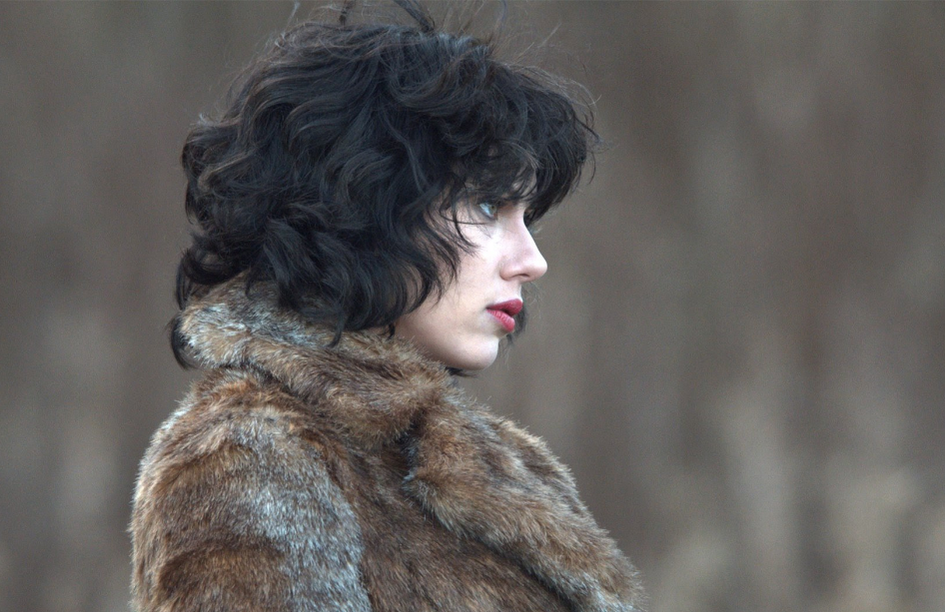
Probably working on Under the Skin (2013) by Jonathan Glazer. We used hidden cameras, so random people appeared in the scenes without knowing it. When the director first told me to walk around the streets and talk to strangers, I thought he was crazy. I said I would only do it if we were on another planet. He answered: “You already are.” Another funny moment happened in Glasgow. People there rarely follow Hollywood news. In one scene I had to fall on the sidewalk. Passers-by rushed to help me and had no idea it was a film set. Some of them even asked if I was an actress – but that was it.
Do you feel pressure when working with famous directors?
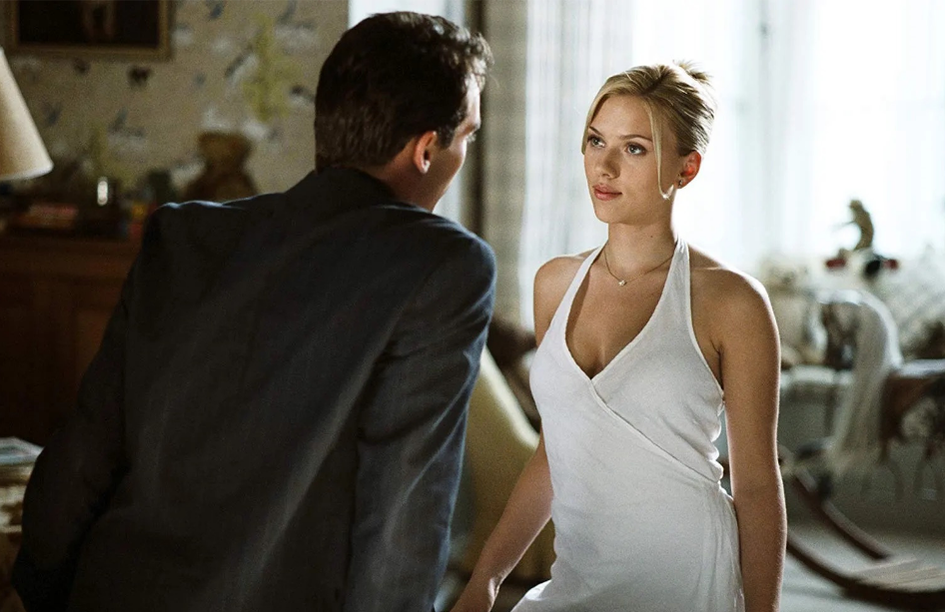
Of course. But that pressure also gives me adrenaline. When I first worked with Woody Allen, I was extremely nervous. During the first scenes of Match Point (2005) I stumbled a bit, and he shouted: “What are you doing? Pull yourself together!” That immediately woke me up, and the filming went smoothly. Today my biggest pressure is simply waking up early and getting to work on time. I’m not an icon or a symbol – I’m just a person who loves her job.
You often work on several projects at the same time. Isn’t that exhausting?
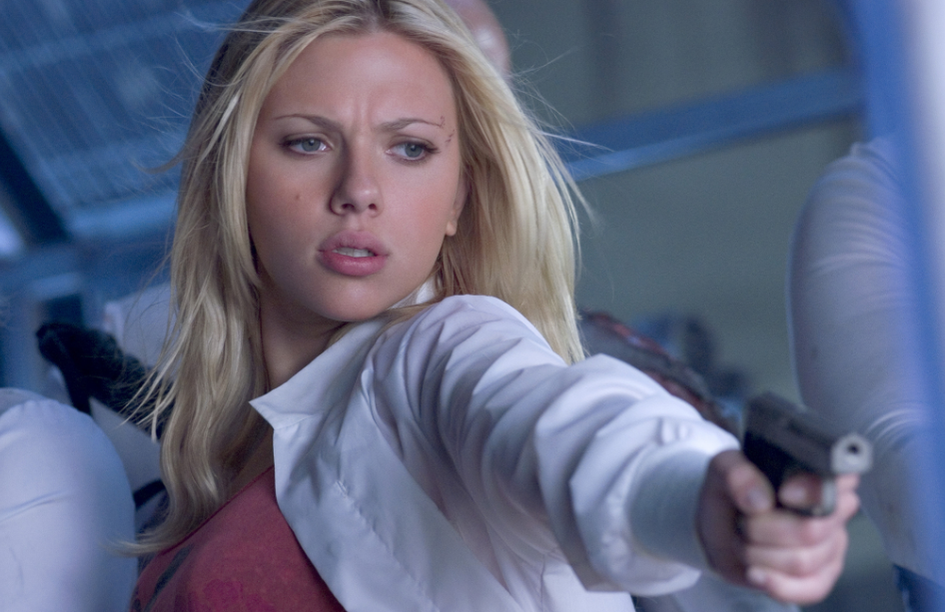
Working in cinema is physically and emotionally demanding. Filming can last 14 hours, and sometimes you need special preparation. For example, for The Island (2005) I started athletic training and ran 30 kilometers. Still, work protects me from laziness and from my own ego. The profession requires a lot of energy, but it is also addictive. The happiest moment for me is when the director says: “Cut. That’s a wrap. Excellent!”
Do you have a special morning routine?
I wake up quite early. I have two children, and my daughter goes to school. Unfortunately, the first thing I do when I open my eyes is check my phone. I know it’s not a good habit, but I can’t break it yet. Then I wash my face, brush my teeth and exercise or stretch. Besides morning workouts, I train about four times a week. I used to do weightlifting, but now I prefer Pilates. Before taking my daughter to school, I always have time for coffee.
People often call you a sex symbol and compare you to Marilyn Monroe. Do you like that?
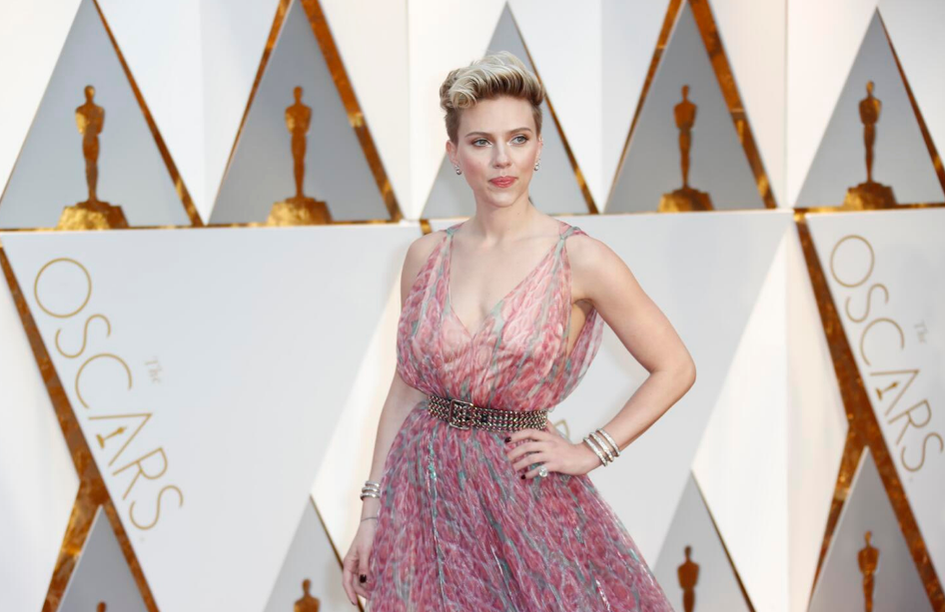
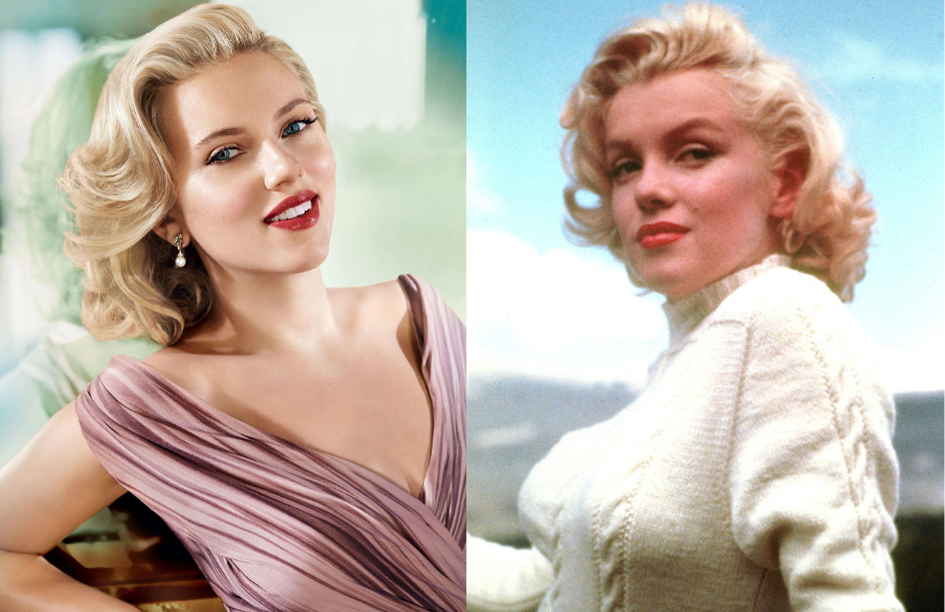
I like looking in the mirror and feeling good about what I see – a nice hairstyle or a dress that fits perfectly. But I would never say that I see myself as a woman like Marilyn Monroe, Greta Garbo or Marlene Dietrich. Before starring in Lost in Translation, directed by Sofia Coppola, I mostly played small roles. Back then no one compared me to Hollywood legends. Public attention came later. And while I appreciate the admiration, I don’t think it defines my life.
Interview: Tatiana Rosenstein