A trip to South Korea with PSP gave Mariam Ivanidze the chance to explore Korean beauty culture, local traditions, and modern skincare practices firsthand. The medical doctor shares her experience with N13, discussing the key principles of K-beauty, innovative ingredients, and the importance of a simple but effective skincare routine.
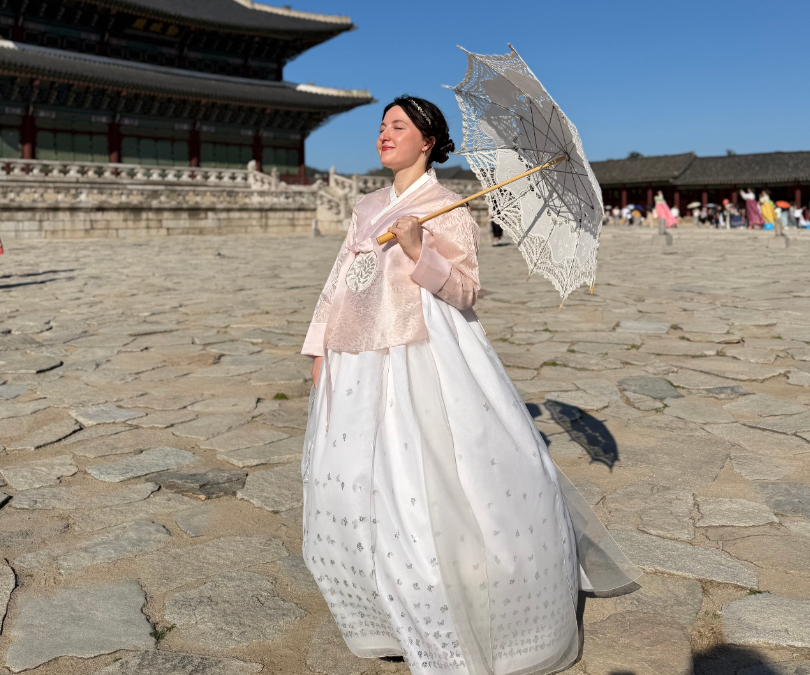
What was your biggest discovery when exploring Korean skincare culture?
As someone who has some knowledge of skincare, product ingredients, and how they work, I was surprised by the way Korean cosmetics combine traditional ingredients with a long history of use and modern formulas.
Rice is a good example. In Korea, it is not only used in food and drinks but is also a popular ingredient in skincare products. Its effects can often be felt quite quickly, leaving the skin feeling more hydrated and calm.
This combination of tradition and discipline helps create products that focus on preventing different skin concerns.
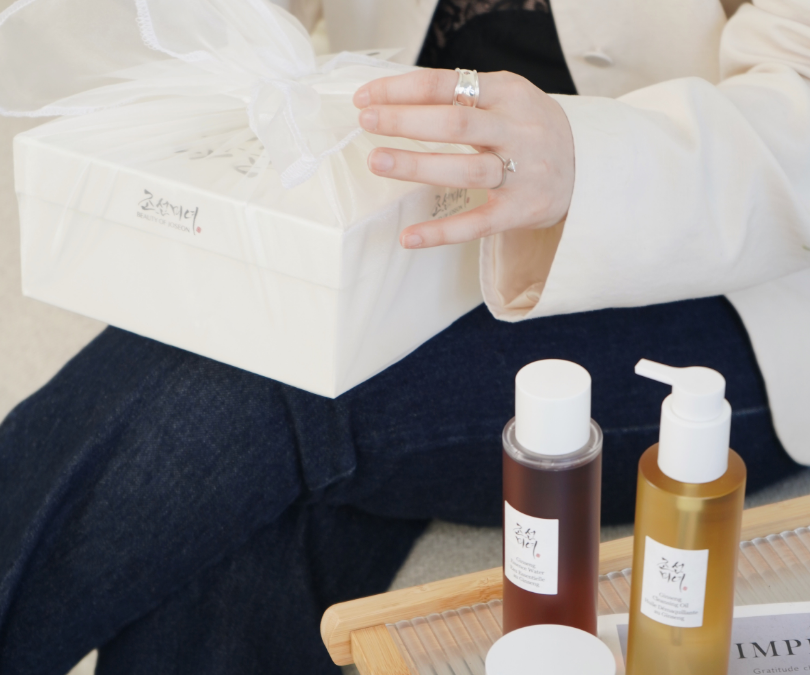
You travelled to South Korea with PSP. How did this journey begin, what did you experience, and what left the strongest impression on you?
Travelling to South Korea with PSP was an unforgettable experience, and I will always be grateful for it. It gave me the chance to discover a completely different culture and see both everyday life and the beauty industry from a new perspective.
From a professional point of view, I was especially interested in learning more about the philosophy behind Korean beauty brands and how their products connect with local traditions and culture.
One of the things I remember most is learning about the process of making makgeolli, a traditional Korean alcoholic drink made from rice. It showed me just how important rice is in Korean culture.

What is K-beauty really about, and why is a minimalist but effective routine becoming more important in modern Korean skincare?
When people hear K-beauty, many think of a 10-step routine and glass skin. However, this idea has been shaped largely by the influence of Korean pop culture. In reality, one of the main principles of K-beauty is keeping the skin barrier healthy and strong. This helps support overall skin health and may reduce the risk of different skin concerns.
The key is not how many products you use, but how well you choose them. Skincare should not only focus on treating existing problems. Daily care and prevention are just as important. This is why a few well-chosen products can often be enough to build an effective routine.
"One of the iconic K-beauty brands is Beauty of Joseon. Its products feature skin-soothing and barrier-supporting ingredients such as centella asiatica, panthenol, ceramides, green tea and more."
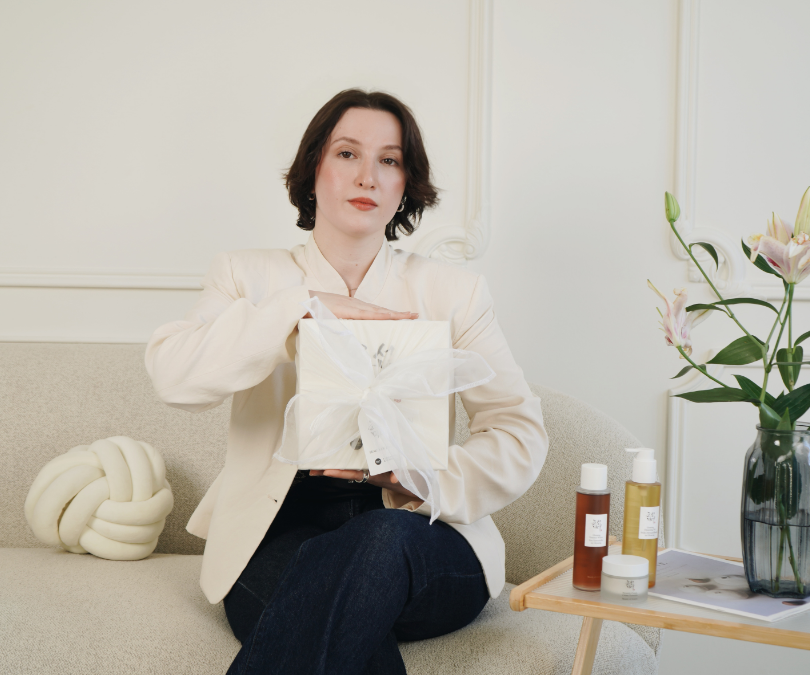
Which ingredients and new technologies make modern Korean skincare stand out, and what is the main philosophy behind K-beauty?
Modern Korean skincare stands out for its wide range of ingredients, carefully developed formulas, and different textures. You will often find ingredients that help calm the skin and support its natural barrier, such as centella asiatica, panthenol, ceramides, and niacinamide.
Sunscreens are also worth mentioning. Korean brands have become popular for their lightweight textures and formulas that feel comfortable on the skin, making them easy to use every day.
For me, the main value of K-beauty lies in combining traditional knowledge with modern formulas and a focus on prevention.
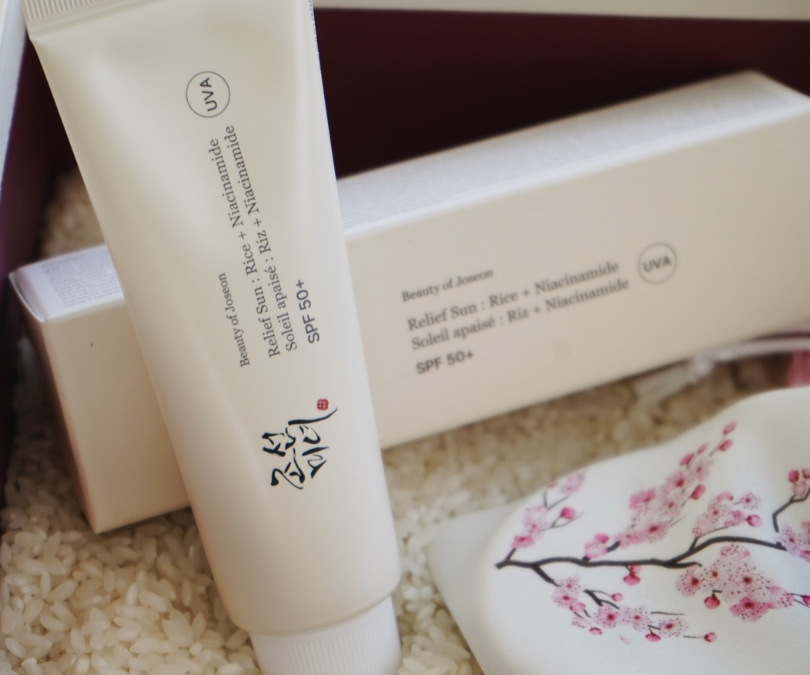
“One of my favorite Beauty of Joseon products is its SPF 50 sunscreen. It has a very lightweight texture and, most importantly, leaves no white cast.”
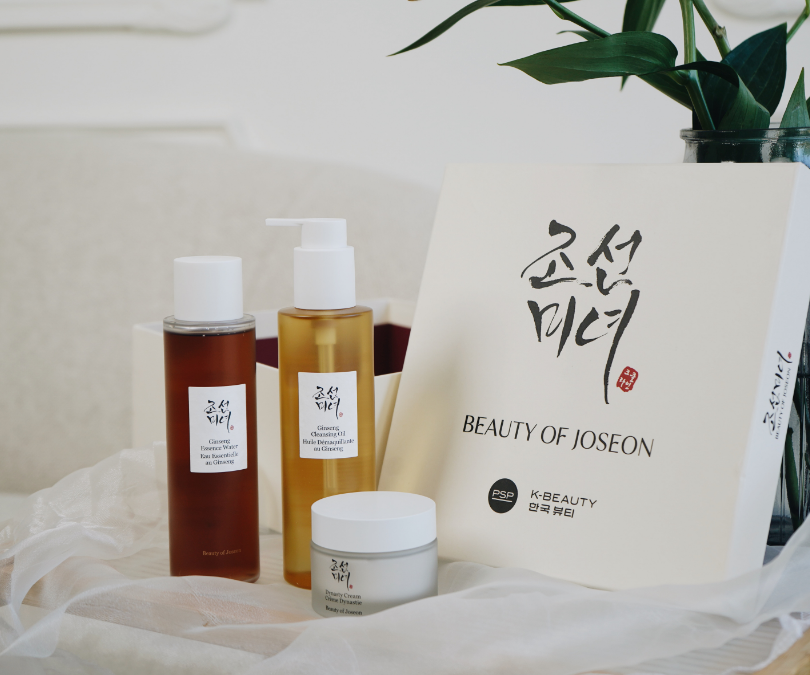
How has K-beauty changed in recent years, and which trends will shape its future?
I think K-beauty is becoming less focused on the immediate visual results of a product and more on its formula, how its ingredients work, and how comfortable it is to use every day. Consumers are becoming more interested in what products contain, how they work, and whether they meet their skin’s needs.
I believe personalised and more thoughtful routines will also become increasingly important. Instead of using more products, people will focus on choosing the ones they really need and understanding their purpose.
“For example, my favorite product is Beauty of Joseon’s retinal eye serum. It’s one of the most multifunctional eye products, as it hydrates the skin while helping prevent the appearance of wrinkles.”
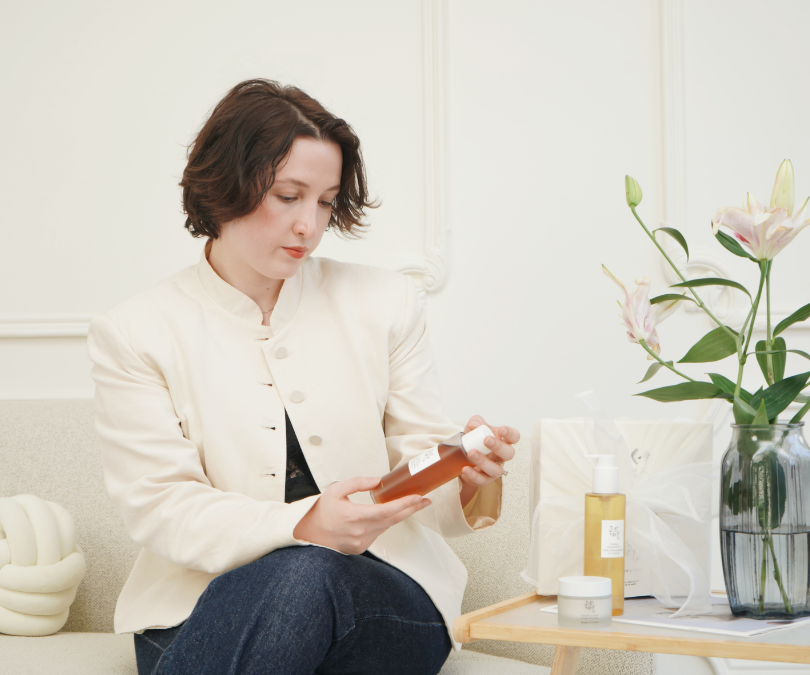
How can we choose only the skincare products we really need, and how important is an individual approach when building a minimalist routine?
I believe a good routine does not mean using lots of products. The first step is to understand our skin’s needs and what we want to achieve with each product.
A basic routine usually includes a gentle cleanser, a moisturiser, and sunscreen. Additional active ingredients should be chosen according to the skin’s condition and specific needs, not simply because a product is popular.
A personalised approach is especially important because the same product will not work equally well for everyone. For me, a minimalist routine is not just about using fewer products. It is about understanding why each product is necessary.
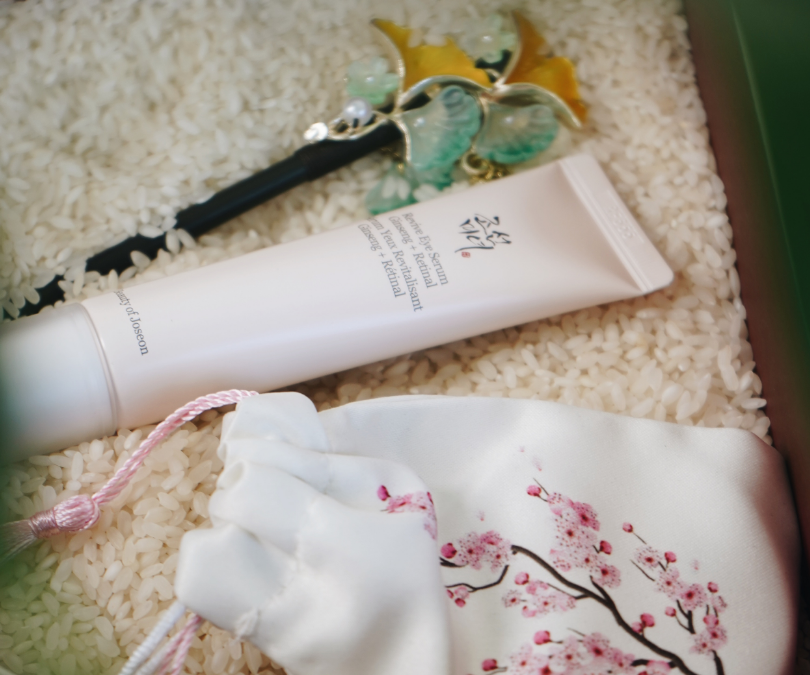
How has Korean cosmetics changed the global beauty industry, and what is the main secret behind its success?
I think several factors have contributed to the global success of Korean cosmetics: innovative formulas, a variety of textures, interesting ingredients, Korean pop culture, and social media, which has helped introduce these products to people around the world.
However, it is important to remember that being Korean does not automatically mean a product is high quality. There are many brands on the market, and not all of them are equally well-known or successful, even in Korea itself. That is why it is important to look at a product’s formula and ingredients rather than choosing it only because of its country of origin or the popularity of its brand.
For me, the main secret behind K-beauty’s success is its ability to bring together tradition, modern technology, and consumer needs. This approach has made Korean cosmetics an important part of the global beauty industry.