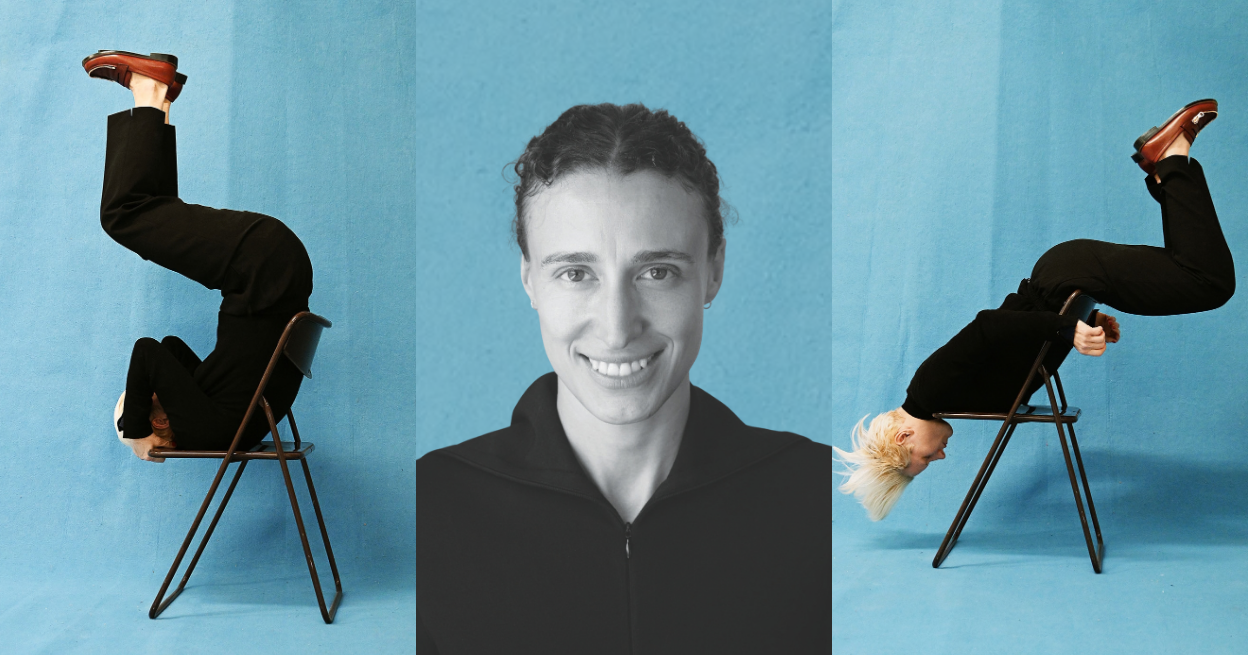
In the fashion world, there are designers who do more than just create trends—they weave narratives. Our guest, Ketevan Maissaia, is precisely that kind of storyteller. In this interview for Nargis, Ketevan reflects on her journey from Tbilisi to the helm of Paris’s most prestigious fashion houses, including McQueen, Margiela, and Hermès.
How does Soviet architecture transform into a source of inspiration, even when creating from a place of inner freedom? Why is quality considered an “invisible dialogue” with consumers? Where is the line drawn between functional design and pure art? We dive into the search for identity, the Parisian metamorphosis, and the iconic zippered loafers…
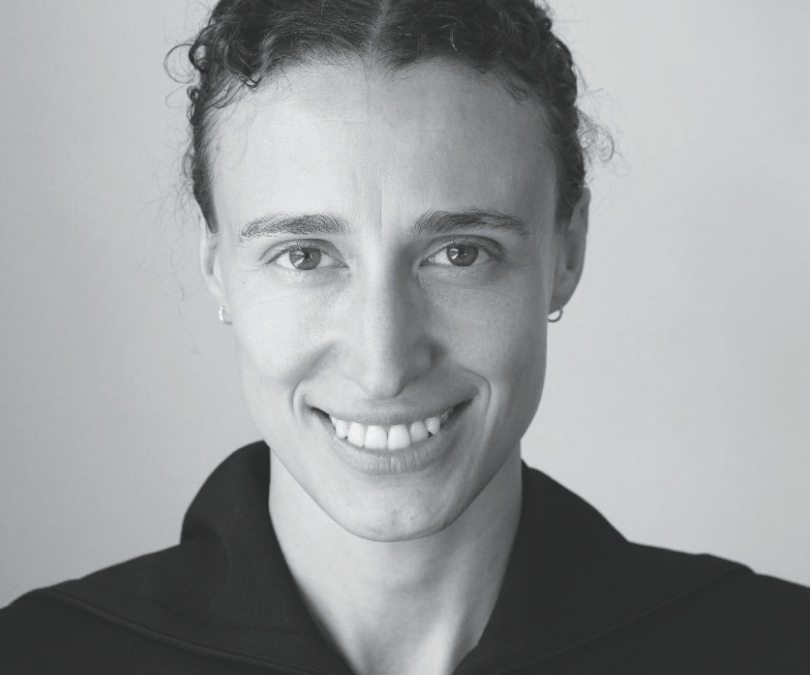
Can you recall that first spark or visual impression that made you realize fashion wasn’t just clothing, but a language of self-expression?
I remember coming across Helmut Newton’s mesmerizing black-and-white photographs in my mother’s magazines. The women were dressed in exquisite Yves Saint Laurent clothes. Those images left a profound mark on me; that was likely the moment my interest in fashion was ignited. I should also add that my mother has always been my compass—the example that shapes my worldview and provides me with both inspiration and strength.
France is the epicenter of fashion. Beyond the technical skills acquired during your studies, what was the primary mental shift that the Parisian environment triggered in you?
The most significant turning point was the discovery of my own individuality. I grew up in a relatively closed circle, so for a long time, I perceived myself as an inseparable part of my family and friends. During my student years, I began searching for my own identity—discovering who I was independently of them and what I was capable of as a distinct individual.
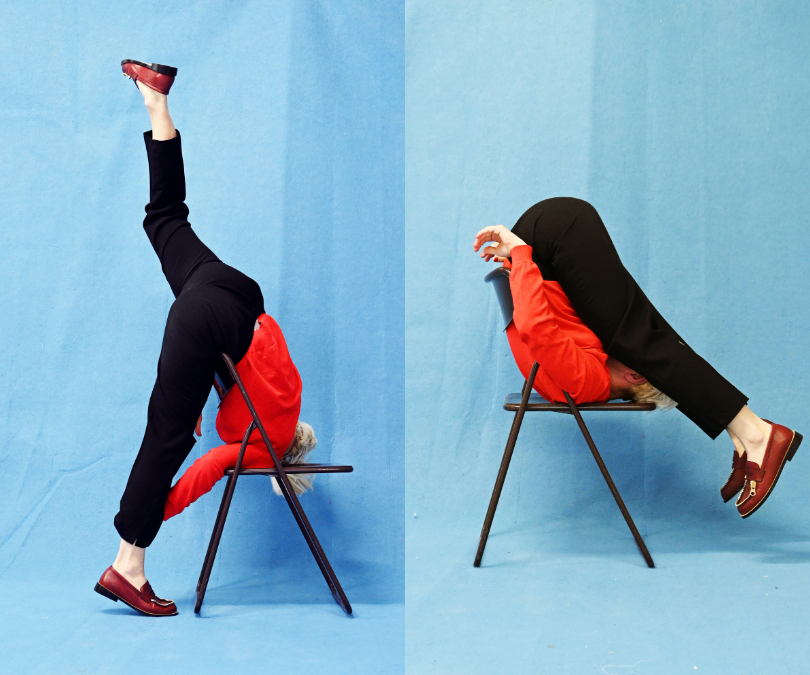
McQueen and Chalayan represent radically different poles of the fashion world—one dramatic and emotional, the other conceptual and innovative. What was the “intersection point” you discovered while interning with these two geniuses?
What unites many brilliant minds is, perhaps, boundless creativity. Working with them taught me how to think differently, to work tirelessly, and to have unwavering faith in my own ideas.
Margiela, Hermès, Loewe—these houses have radically different DNAs, from the avant-garde to ultra-luxury classics. How challenging was it to preserve your creative “self” while working within such potent brand identities?
When you work with a brand, you don’t just gain experience; you internalize part of its identity. At the same time, what you contribute influences the brand in return. It is a bilateral, symbiotic process.
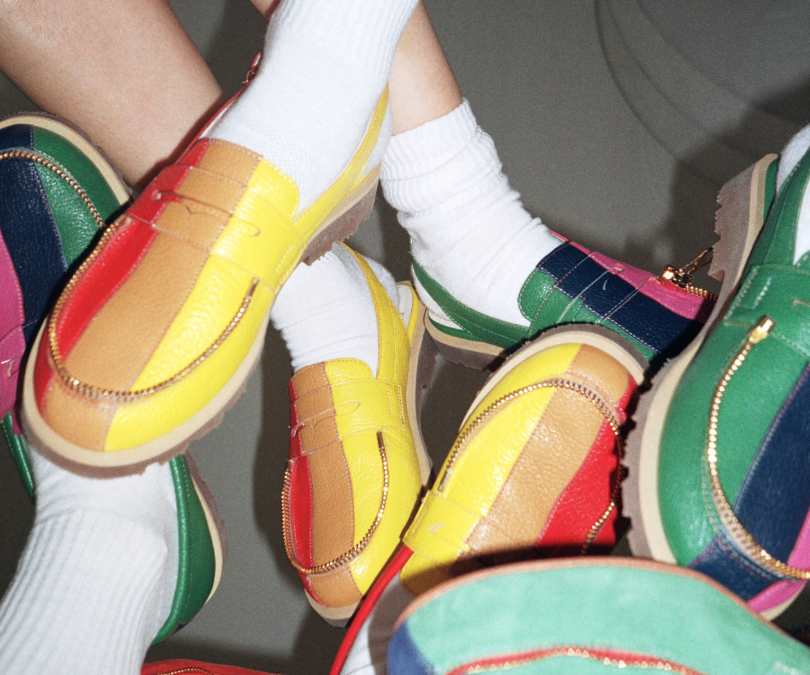
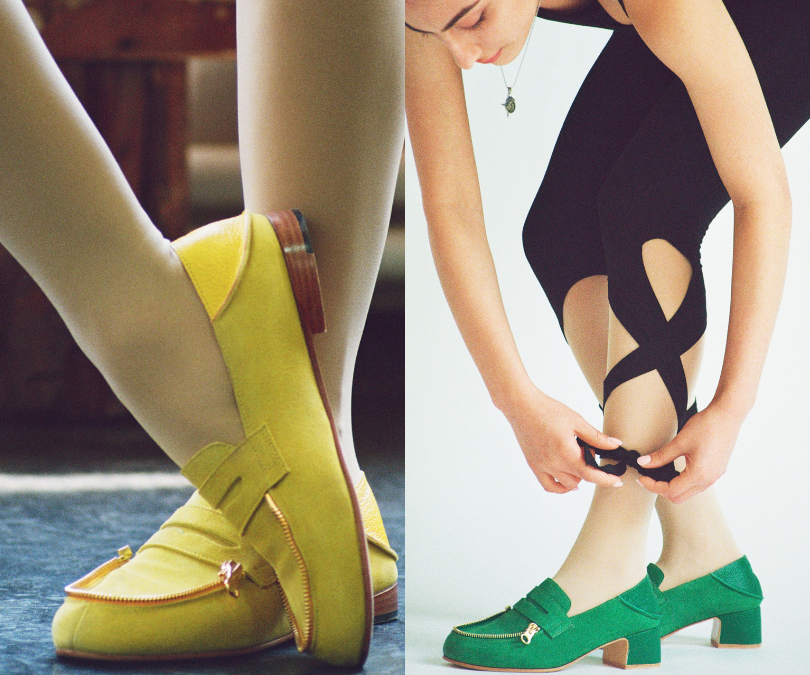
Your zippered loafers are a sort of “rebellious classic.” How did you manage to reinterpret such a traditional staple, and where is the line between functional design and pure art in this model?
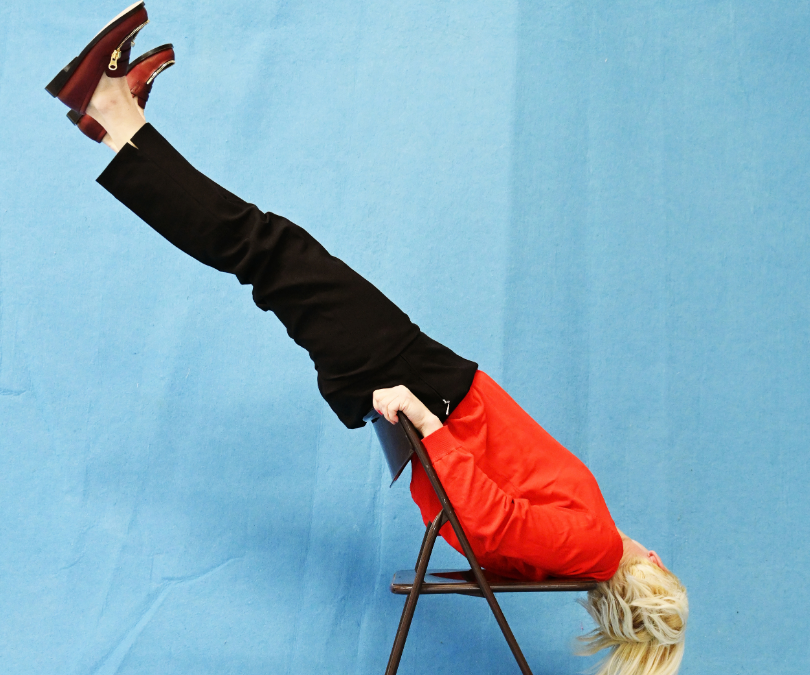
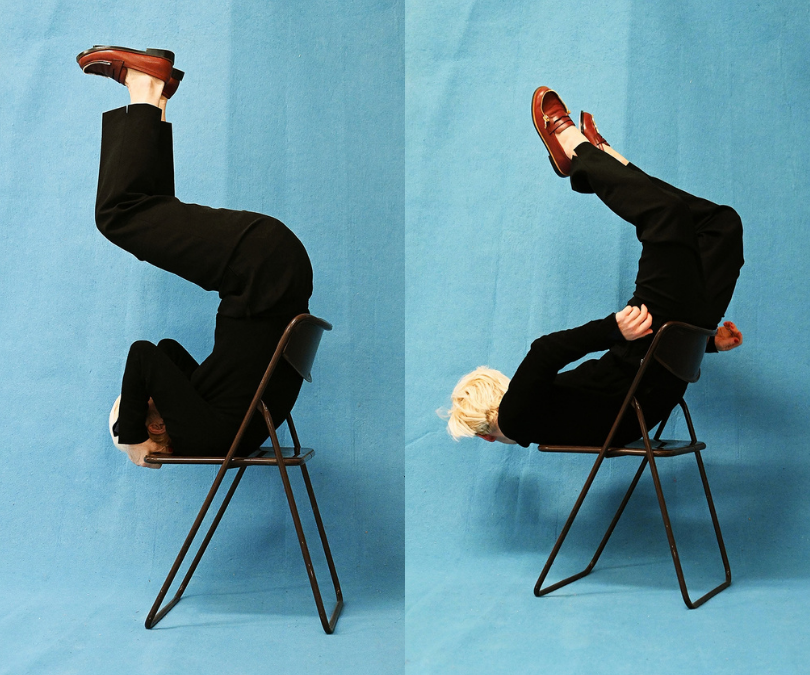
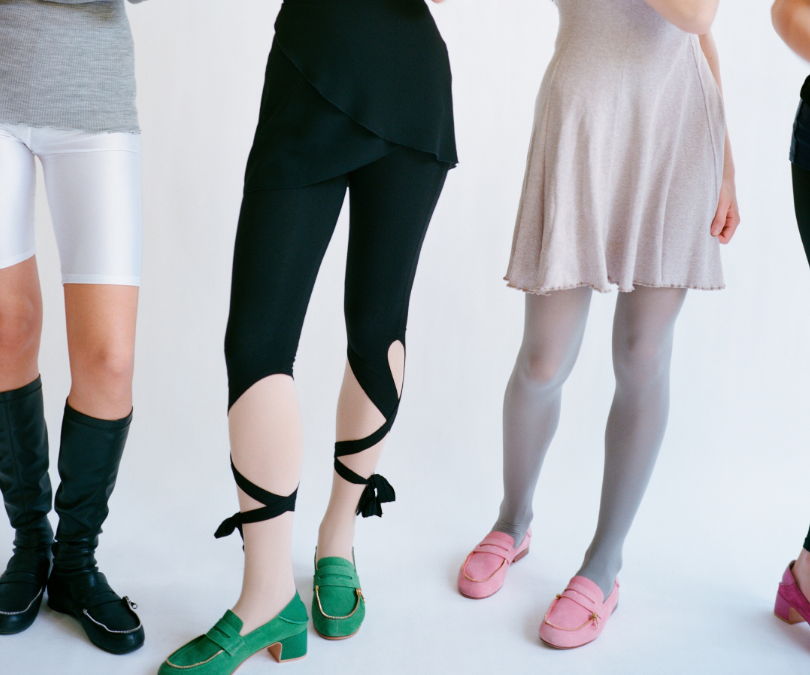
I like to think that when zipped up, the Moccasin Zippé resembles a piece of conceptual art. Yet, the moment the zipper is released, it transforms back into a classic shoe. This dual nature is what makes it so intriguing and playful.
Given your European experience, launching production in Georgia is both a risky and ambitious move. Was this a call of patriotism, or a rational calculation of unique potential?
It is vital for me to connect my experience with a strong Georgian cultural identity. There is an immense reservoir of talent and creative resource in Georgia. We possess unique craftsmanship, which is a core manifestation of our identity. This has great potential, not just culturally, but for the country’s economy. However, it certainly requires investment and further development.
The Soviet past is often associated with austerity and restriction. In your work, does this heritage manifest as nostalgic romanticism, or as a desire to create something entirely liberated from the past?
When I moved to Europe, I began to see Soviet architecture through a different lens and appreciated it in a new way. My inspiration is often drawn from the aesthetics of that era’s architecture. However, I wouldn’t call it nostalgia. As for the austerity of the Soviet period, that remains unacceptable to me. I am drawn to lightness and freedom.
Designers often translate an idea to paper first and then adapt the material. In your case, how does it happen: does the fabric dictate the form, or the form lead you to the fabric?
The creative process is always a dialogue. First comes the emotion, then you seek the colors and textures… often the material itself dictates what the object should become. Today, I also think deeply about ecological challenges, striving to create products using sustainable and durable materials.
Today, fashion is largely oriented toward the “Instagram effect”—what looks good in a frame. How important are those invisible details in your design that only the wearer feels?
Quality is the foundation of a brand—it is an invisible dialogue between the designer and the consumer. The internal seam, the texture of the lining, the weight of the fabric—these are the details that make a garment “alive.” Our goal is for the client to receive not just a visually perfect product, but an exceptional experience, from the very first point of communication to the daily ritual of wearing the piece.
Every designer has an item or an idea that remains in the mind, yet to take physical form. What is your unfulfilled creative ambition?
The process of creating is the destination itself!
You’ve traveled the path from the epicenter of global fashion to your own production. What is the primary lesson you would share with aspiring designers?
It is crucial to love your craft and for it to bring you happiness. You will inevitably face obstacles. I would wish them self-belief, a clear perspective, a constant desire for growth, and, of course, the capacity for tireless work.
What are your plans for the future?
I really want to scale my brand and create other accessories beyond footwear. I am working on that right now!
TEXT: TATULI GVINIANIDZE