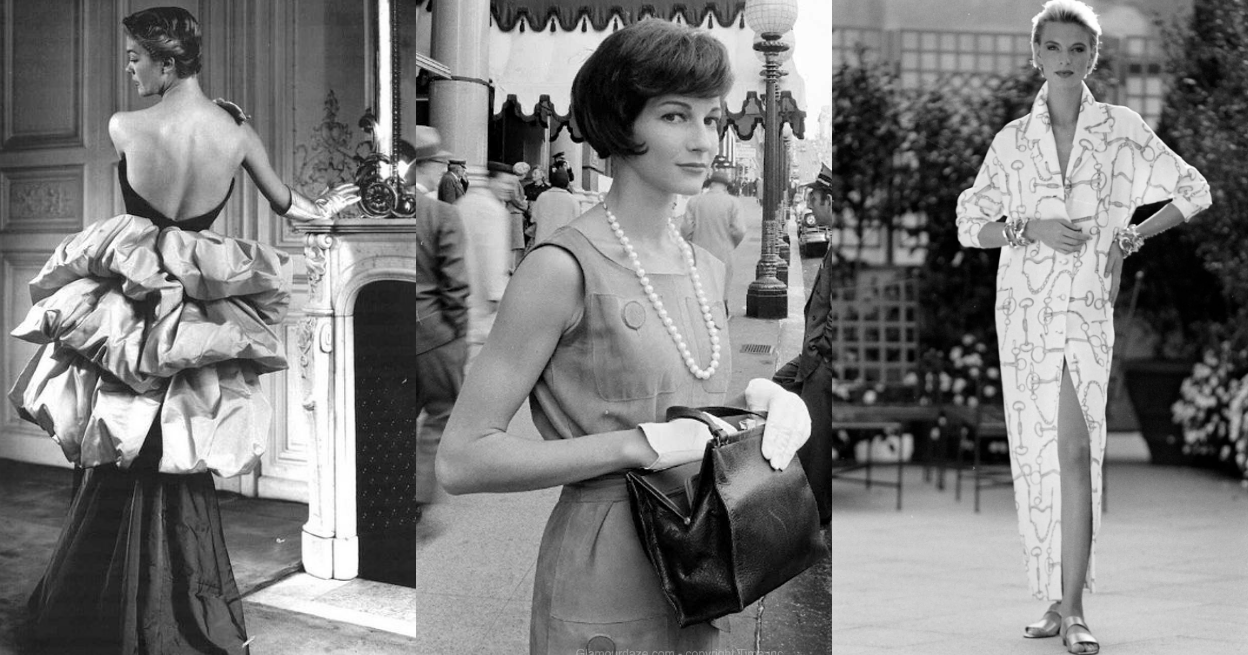
Have you ever wondered when luxury lost its greatest appeal- its rarity? For centuries, the idea of luxury was built on clear and lasting values: limited availability, exceptional craftsmanship passed down through generations, rarity, and, most importantly, a personal approach. The fashion houses and designers we admire were creating more than products. They were building cultural and material heritage. Owning one of these pieces often meant waiting for years, developing personal relationships with the brand, and becoming part of an exclusive circle where quality and authenticity mattered far more than marketing.
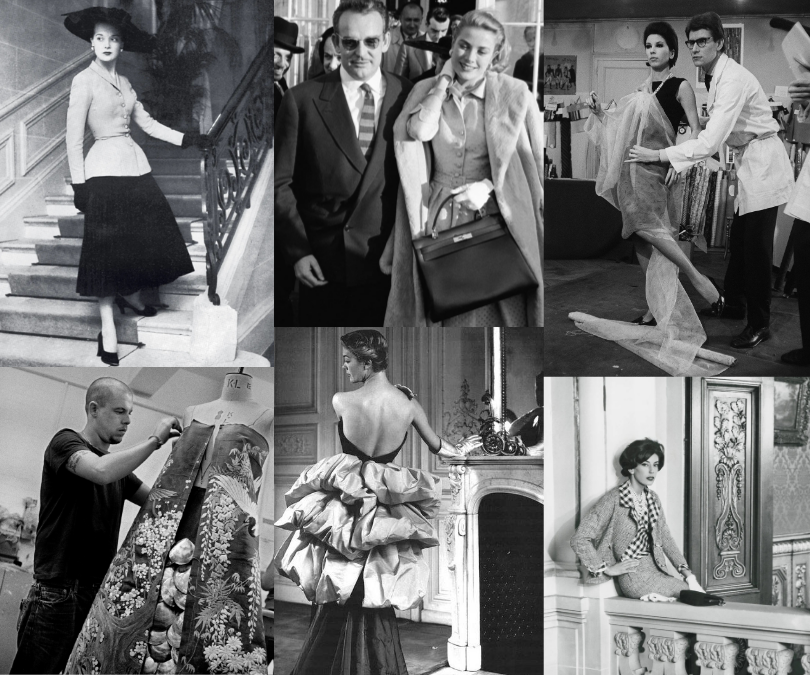
Looking back at the past few decades, it is clear that the luxury industry has gone through a major transformation. Its original meaning has changed dramatically, making luxury more accessible than ever before. While this expansion helped brands reach global markets, it also weakened the feeling of exclusivity that had defined the industry for generations.
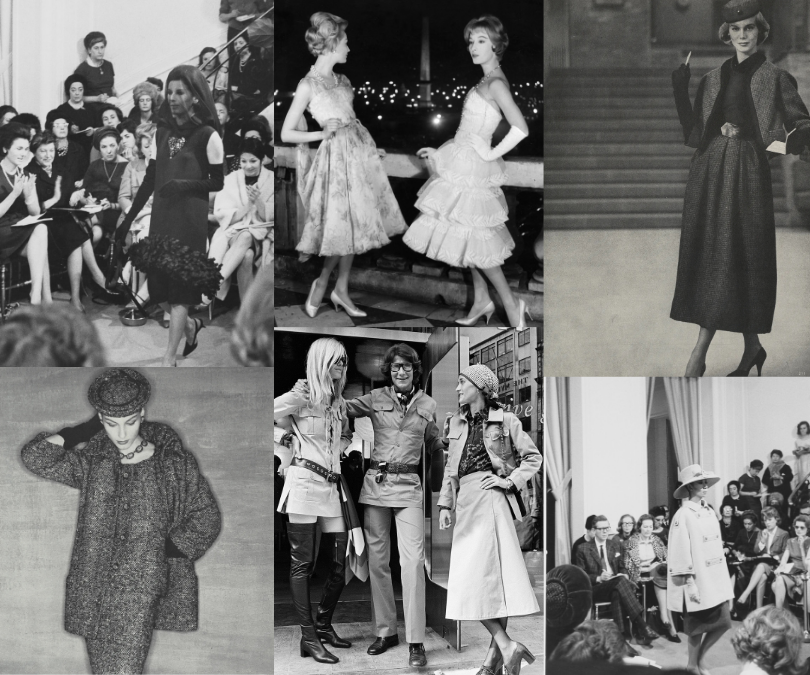
So, what caused this turning point? The answer lies in several connected developments. Perhaps the biggest change was the takeover of family-owned fashion houses by large global corporations. Designers and skilled artisans were gradually replaced by executives, financial managers, and investors whose main focus became short-term profit, higher sales, and shareholder value. As a result, production became faster, simpler, and more cost-efficient. Many brands moved away from slow, highly skilled craftsmanship and shifted towards large-scale manufacturing.
At the same time, prices continued to rise while quality often moved in the opposite direction. After the pandemic, when consumer spending increased again, many luxury brands introduced significant price increases. Yet in many cases, production methods and material quality became closer to those of premium high-street brands than true luxury craftsmanship. Simple T-shirts, hoodies, accessories, and everyday items were suddenly selling for thousands of dollars. Easy financing and instalment plans also made these products available to a much wider audience. This created what many describe as “luxury poverty”-a situation where consumers spend beyond their means to buy the image of status rather than genuine value. As luxury became more accessible, many of its traditional clients quietly stepped away. High-income customers were no longer looking for products that anyone could easily own. They had been promised exclusivity but were increasingly offered mass-market products carrying luxury price tags.
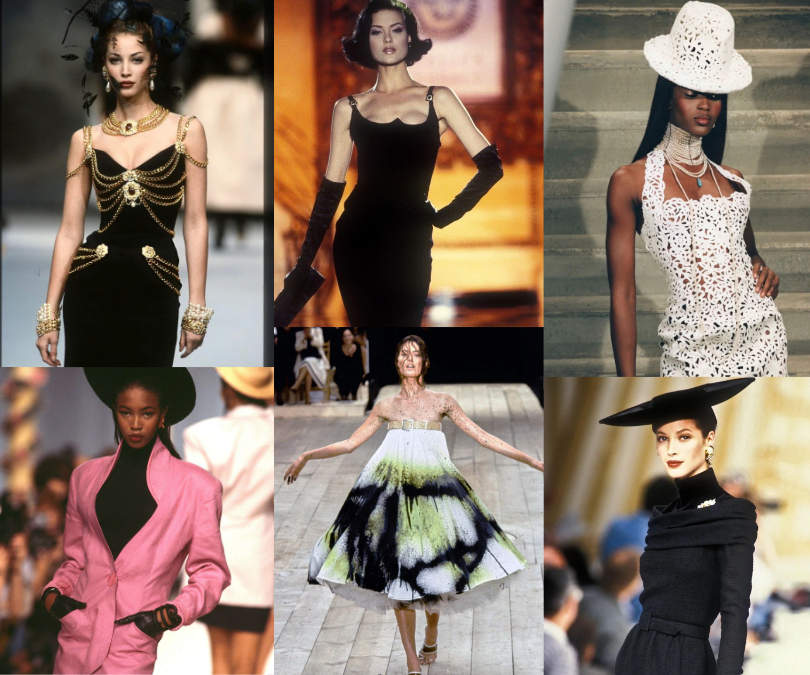
Today, the luxury industry is still facing the consequences of these decisions. Corporate strategies focused on short-term financial results have weakened the emotional value and reputation that many brands spent decades building. Consumer trust has declined, proving that strategies driven only by immediate profit rarely succeed in the long run. If luxury brands want to regain their position, they will need to return to the principles that once made them desirable: exceptional craftsmanship, uncompromising quality, and true rarity. Otherwise, luxury risks becoming nothing more than an expensive label attached to an ordinary product. In the future, exclusivity may no longer be defined by a logo, but by the individual’s personal taste and thoughtful choices.