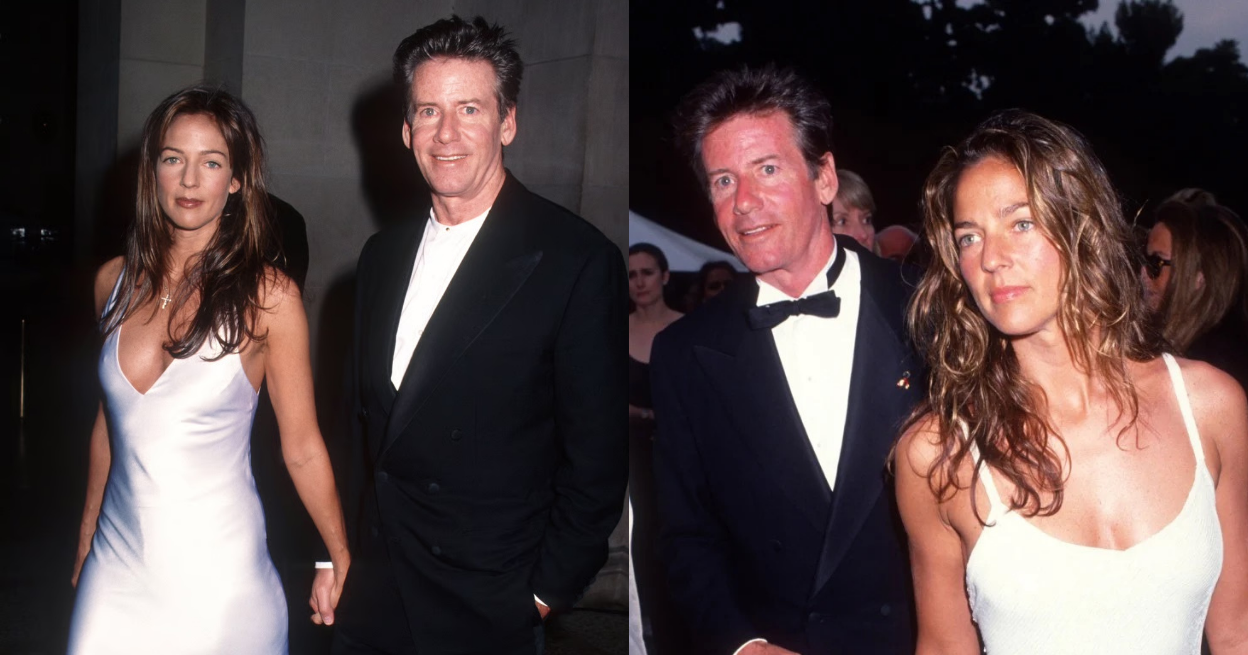
In fashion history, the biggest changes sometimes happen quietly. The minimalism of the 1990s is one of those stories – a story where the central figure is not always the woman we remember most, but the one who first lived this style in real life. One of the key figures was Kelly Klein, a woman who gave minimalism not only a form, but a daily life.
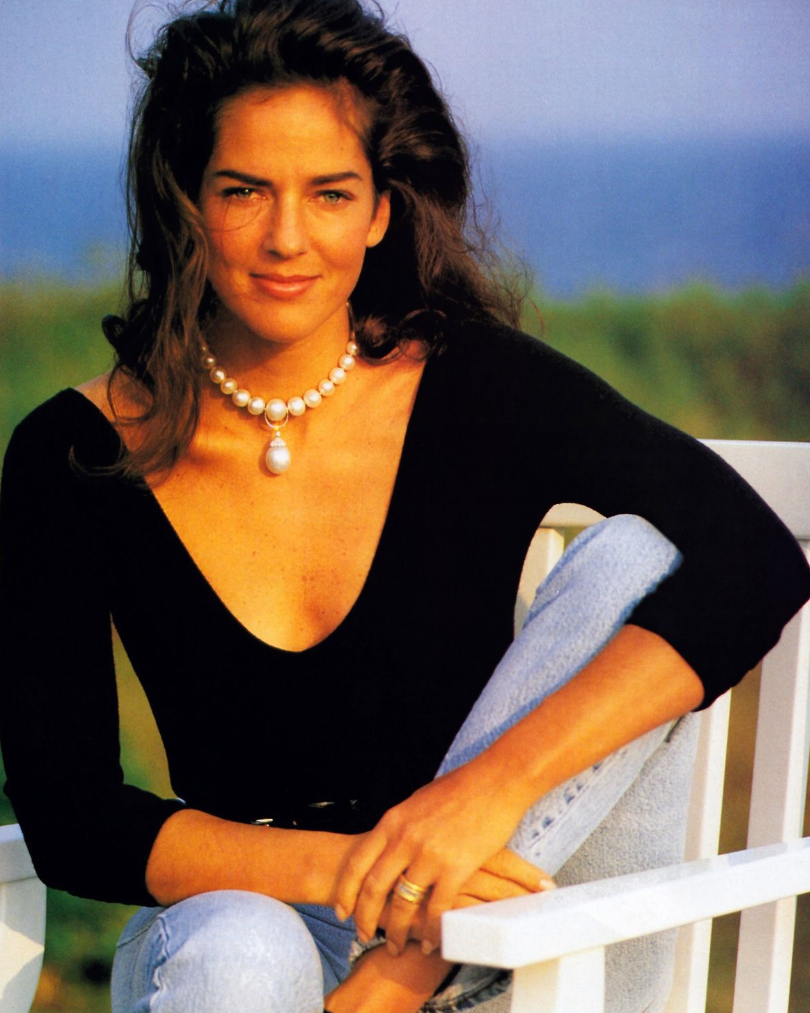
Today, as the nostalgia for the 1990s returns to screens and American Love Story brings viewers back to New York of that era, interest in the style that defined the decade is growing again. The visual symbol of this period is often Carolyn Bessette Kennedy – a woman whose calm and restrained elegance turned minimalism into something close to a visual philosophy. But before this style became a cultural symbol, it already existed in everyday life, worn by a woman who often stays in the background of this story.
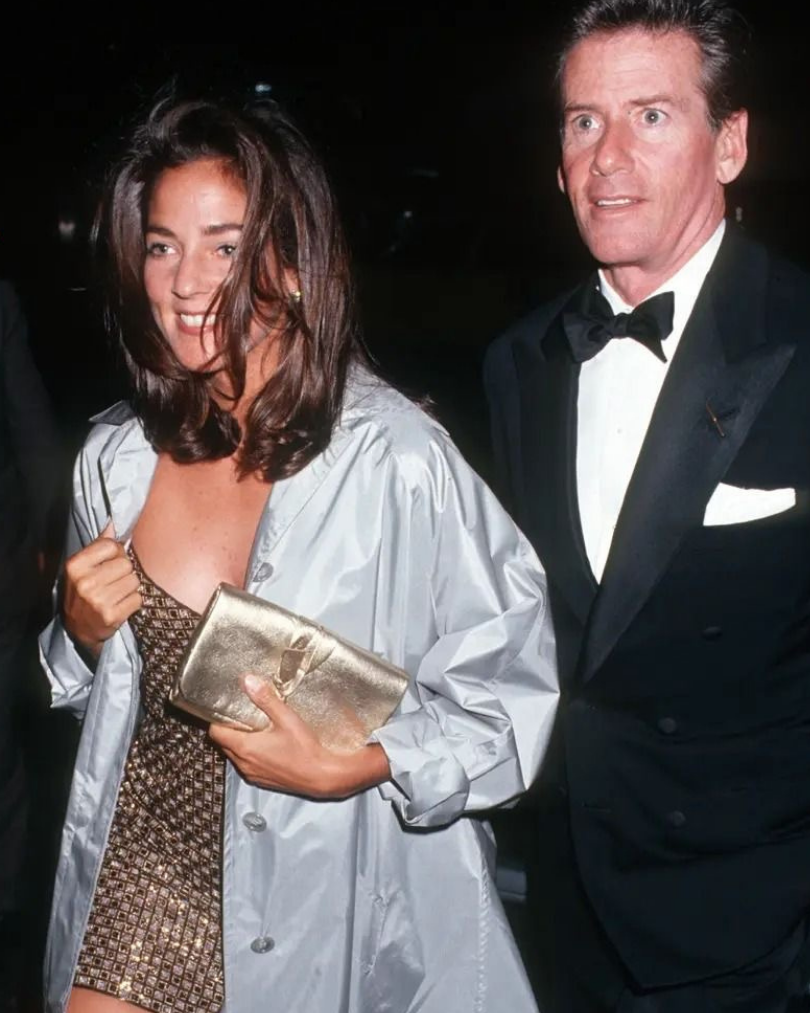
That woman was Kelly Rector, later Kelly Klein – a designer, a muse, and in many ways an invisible founder of the aesthetic that shaped the world of Calvin Klein. She studied design at the Fashion Institute of Technology and began her career as an assistant at Ralph Lauren. Her first meeting with Calvin Klein ended with rejection. But in New York, stories often start at night. One evening, at the legendary Studio 54, their paths crossed again. The next morning Kelly was told she got the job. In 1981, at the age of 21, she joined the Calvin Klein team. Within a few years, she became not only a colleague, but also a central part of his life and creative world.
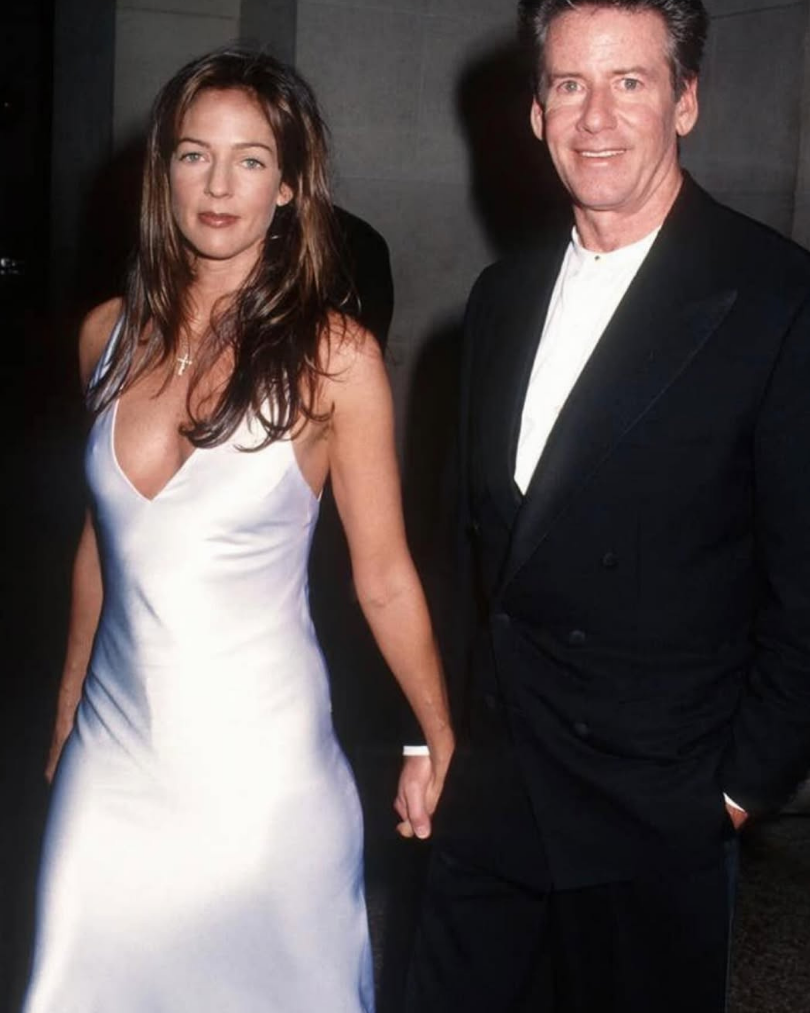
At that time, the brand’s showroom in Manhattan was almost ascetic – bright fluorescent lights, an empty interior, and only one detail that softened the space: white orchids. It felt like a visual metaphor for the aesthetic Calvin Klein was creating: clean lines, restrained silhouettes and a palette moving between black and white. But this idea needed real life – someone who would turn these clothes into a language of style. Kelly was exactly that person.
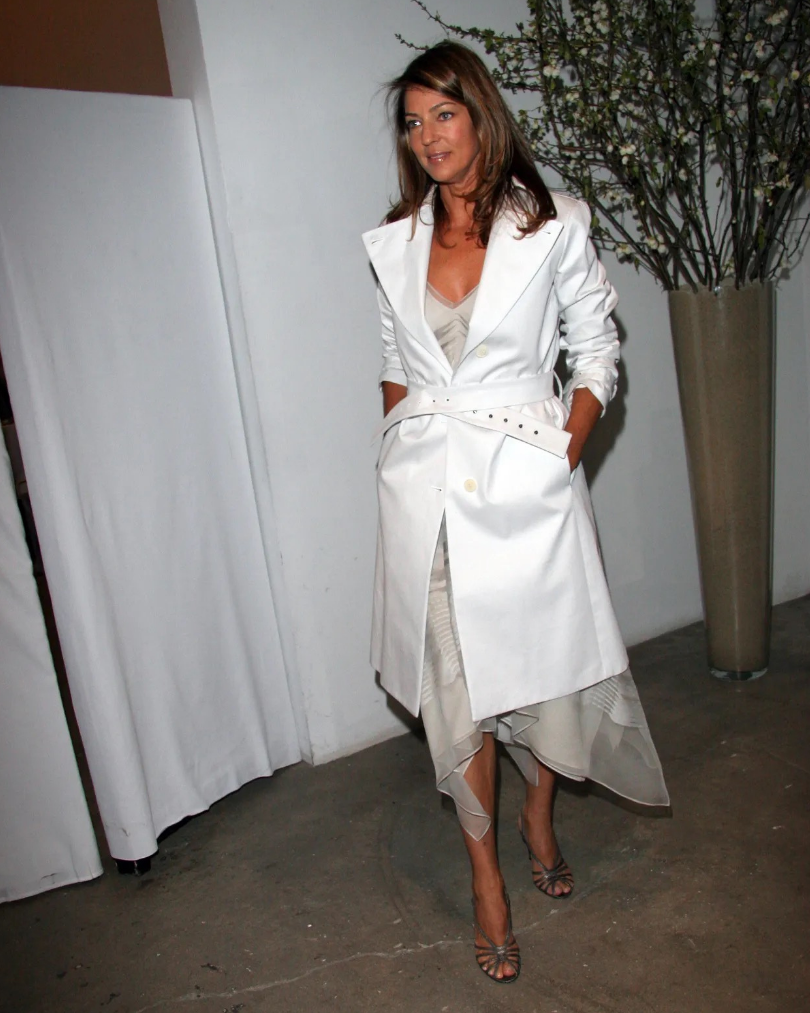
She never created loud images. Her style was simple and precise: one perfect coat worn for years, denim that becomes softer with time, a pair of classic black heels you wear again because they still feel right. For Kelly, minimalism was not only an aesthetic – it was a philosophy of everyday comfort.
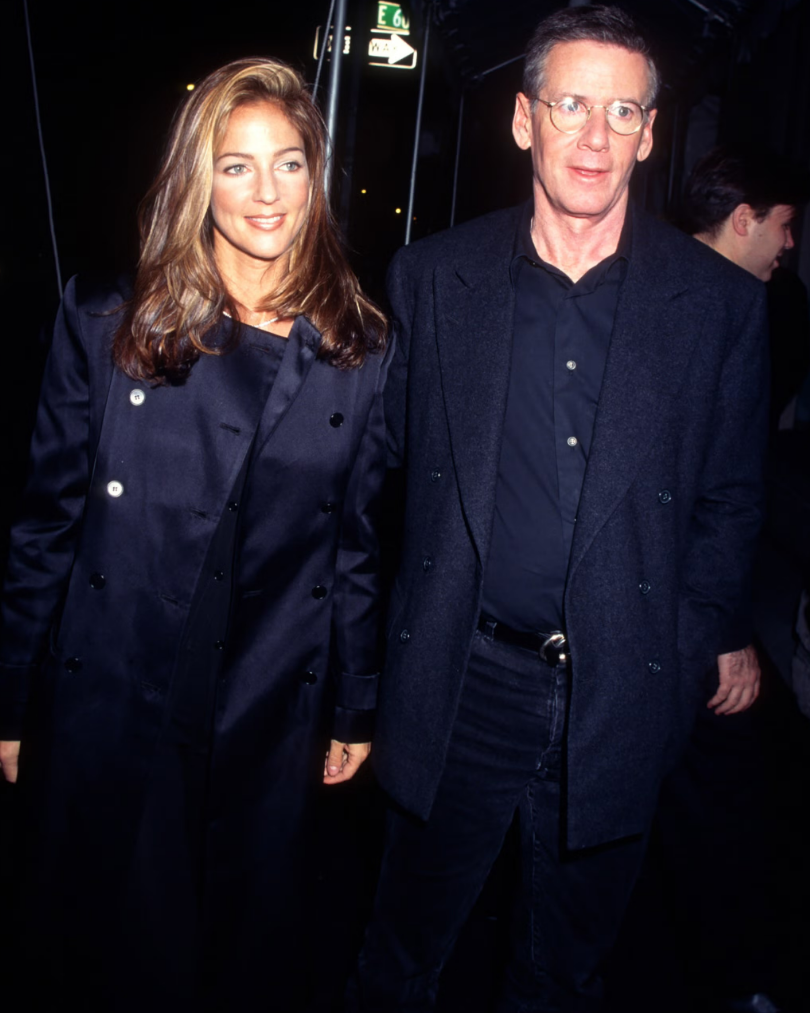
This vision had a strong influence on the Calvin Klein universe. Kelly was not only a muse, but also a creative partner. One of the brand’s most successful ideas came from her: men’s underwear designed for women. The idea started almost as a casual comment – “there is something very sexy about wearing your boyfriend’s underwear.” By 1984, this idea had turned into a 70-million-dollar business and became one of Calvin Klein’s most famous designs.
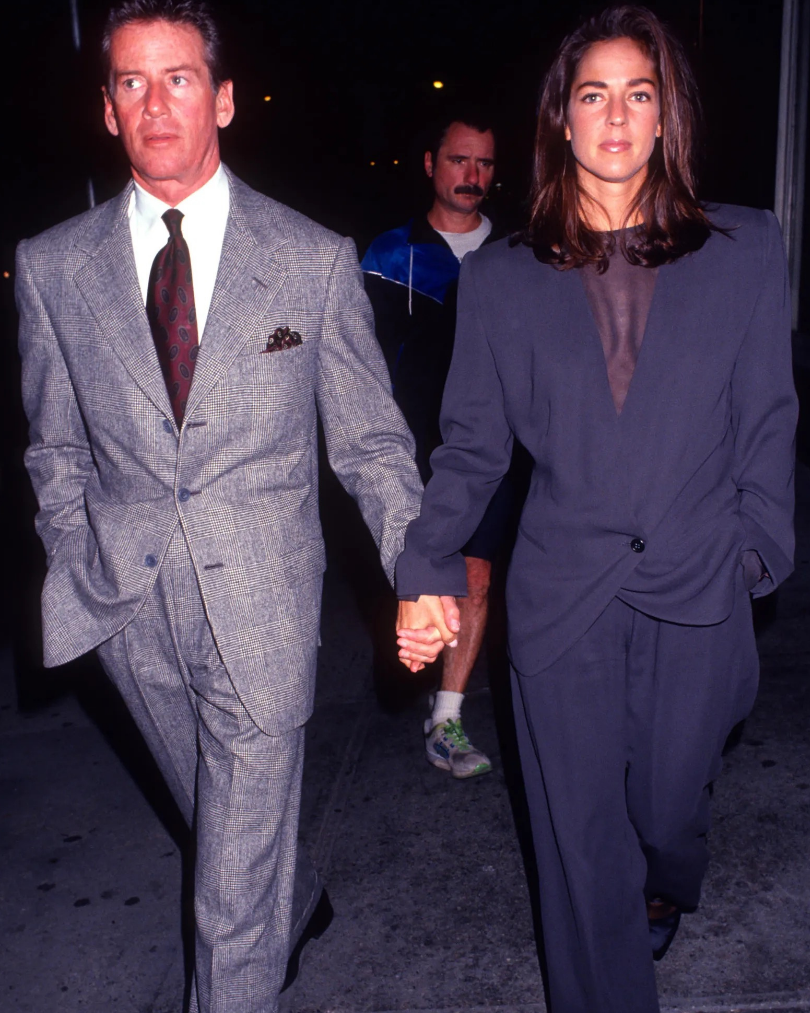
In 1986, Kelly and Calvin Klein married in Rome. Her wedding look – a silk pencil skirt, a matching blazer and a lace bodysuit – was another expression of the minimalist aesthetic they built together. Their relationship ended in 2006, but in fashion history their collaboration remains one of the most influential creative partnerships.
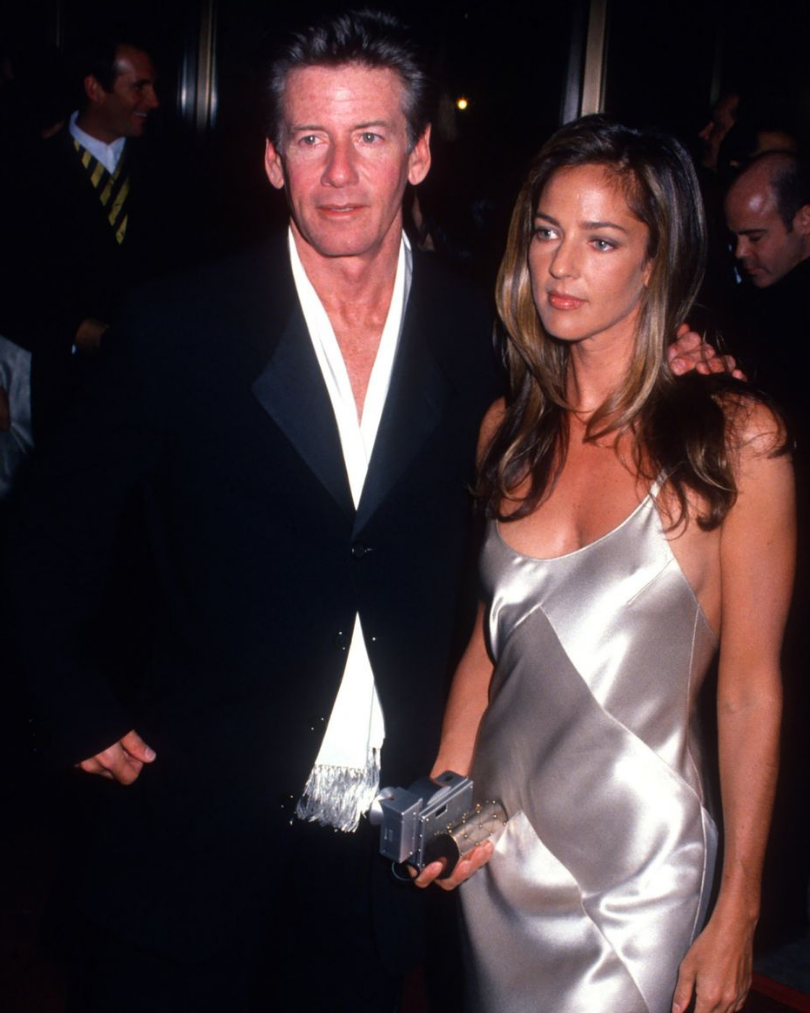
Today, Kelly defines herself more broadly: as a photographer, designer, author and interior designer. Her photo book Pools, published in 1992, brought together the cultural elite of New York in one visual project. Later, her photographs appeared in magazines such as Vogue and Interview. Today, as the fashion world once again embraces the idea of “quiet luxury” – a wardrobe focused on quality, clean silhouettes and neutral colors – the minimalism of the 1990s suddenly feels relevant again. That is why, when Kelly appeared at the Calvin Klein show in New York in 2025 after nearly seven years away, standing next to Calvin Klein once again, the moment felt like a meeting between the past and the present.
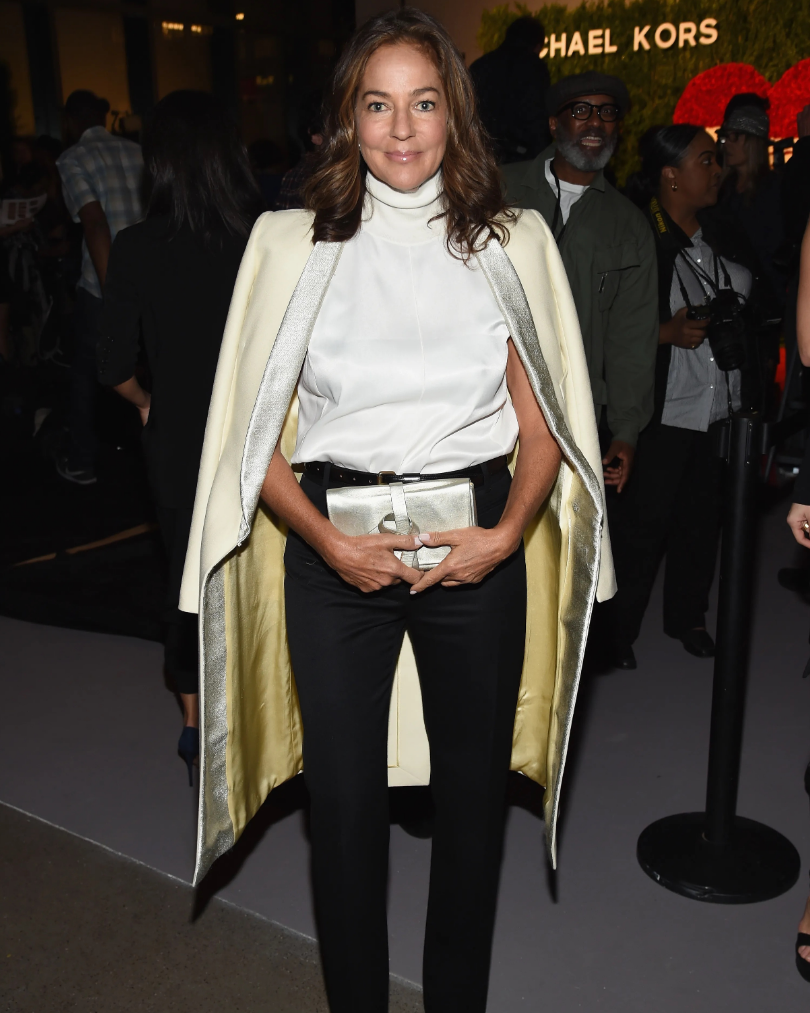
The minimalism of the 1990s was never just a trend. It was an idea about a woman who knows how to wear clothes in a way that serves her life. A woman who keeps one good coat for years and understands that simplicity can often be the strongest statement. And that is why, when we return today to the minimalism of Carolyn Bessette-Kennedy, we should also remember the woman who did more than give clothes a form – she gave them cultural meaning.
Text: Ninia Okromchedlishvili